Podcast: Play in new window | Download (Duration: 50:33 — 115.7MB)
Subscribe: Apple Podcasts | Spotify | Amazon Music | iHeartRadio | Email | RSS | More
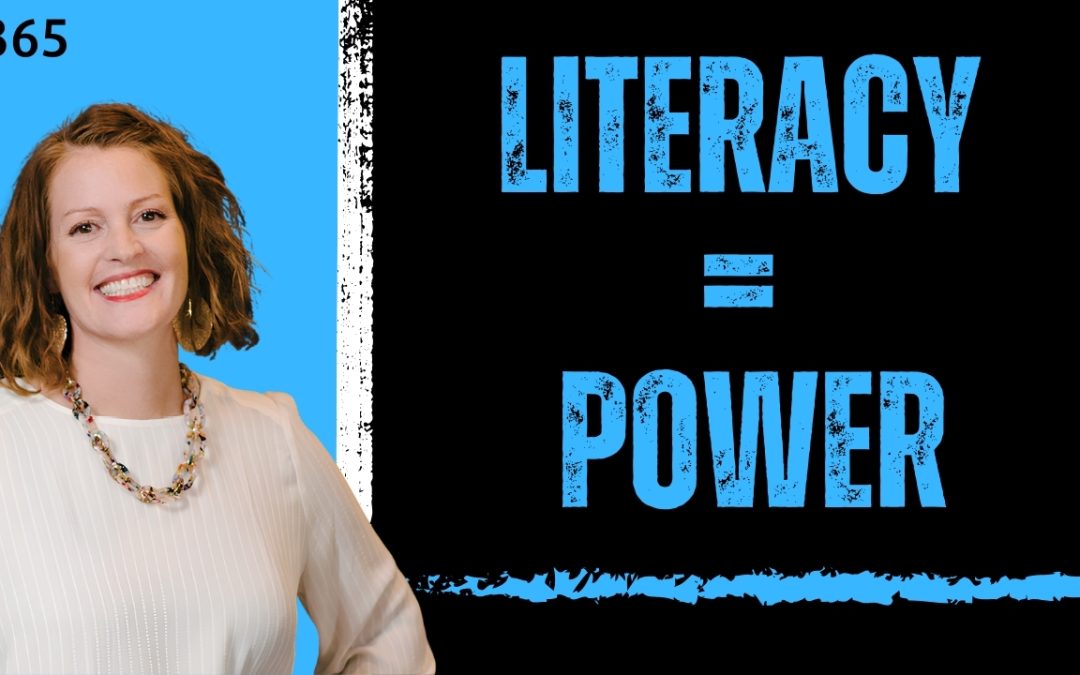
Rowan Childs – Madison Reading Project
On Building Up Youth: “We want to make sure every kid is excited and sees themselves on the cover or as the main character.”
Often we take the skills we have for granted. We want this and that, but rarely take the time to have gratitude for all that we have. I’m not talking material things, I am speaking of opportunities and education. As business owners, we know how to read.
Did you know that many children have challenges achieving the literacy needed to understand the other subjects in school? Rowan Childs saw this need and built a non-profit to help children get access to books to read. Not just any books. These are books that kids want to read. Madison Reading Project is a non-profit that offers free books and literacy resources to children to ignite a love of reading.
The beautiful thing is Madison Reading Project has blossomed from a small startup to a non-profit that continues to serve thousands of books to children. This is truly an amazing success story and a story that is making the world a better place.
Enjoy!
Visit Rowan at: https://www.madisonreadingproject.com/
Sponsors:
Calls On Call Extraordinary Answering Service, phone answering for small businesses: https://callsoncall.com
Some videos have been recorded with Riverside: https://www.riverside.fm/?utm_campaign=campaign_5&utm_medium=affiliate&utm_source=rewardful&via=james-kademan

Podcast Overview:
00:00 Starting a reading pilot program
04:15 Addressing literacy challenges
07:50 Finding support and gathering books
13:52 Benefits of being a smaller team
14:32 Navigating diverse board challenges
19:27 Building trust with the community
22:38 Offering diverse book options
26:55 Selecting books for community programs
30:36 Lessons from volunteering at food bank
33:00 Donating books through our program
37:20 Giving out books during holidays
39:20 Paper fashion design contest
43:41 Deciding to make paper dresses
45:51 Building Awareness and Finding Volunteers
Podcast Transcription:
James Kademan [00:00:00]:
You have found Authentic Business Adventures, the business program that brings you the struggles, stories and triumphant successes of business owners across the land. Downloadable audio episodes can be found in the podcast link found at https://drawincustomers.com. We are locally underwritten by the Bank of Sun Prairie, and today we are welcoming, slash, preparing to learn from Rowan Childs of Madison Reading Project. Rowan, I’m super excited to be here.
Rowan Childs [00:00:32]:
Thank you. Welcome.
James Kademan [00:00:34]:
This is amazing. We got. I mean, people can see we got whatever, 5 billion books behind us and all that stuff. So tell us the story. What is Madison Reading Project?
Rowan Childs [00:00:44]:
Yeah. So we are a nonprofit. We provide all kinds of literacy resources, whether they are physical books, digital resources, and our wonderful stuff. We’re here to support adults and children in support of them learning how to read in support of them re engaging or engaging in reading and love of books, ultimately to help raise literacy rates in Dane county and now just in Sauk county as well. Yes. That’s a brand new thing.
James Kademan [00:01:27]:
Wow.
Rowan Childs [00:01:27]:
Yeah.
James Kademan [00:01:28]:
All right.
Rowan Childs [00:01:29]:
But we’re really here to make sure that kids have their books and to help remove some of those barriers that they have. So whether it’s been from the very beginning through what we do today, we do that in a way more sophisticated way than how we started, but it really is to try and provide really high quality materials that children and adults can keep. So we want to make sure that kids are excited about the books and about reading and that they ultimately are inspired to want to hang on to those and to continue to read and love books.
James Kademan [00:02:08]:
Nice. I love it. I love it. It’s so interesting because when you give me address to the place, I just follow gps. And I was like, it’s just going to be some warehouse or something like that. But this is a very bright. It’s vibrant, it’s welcoming. It’s not just some dingy, like, there’s the books in the back kind of thing.
Rowan Childs [00:02:25]:
Not at all.
James Kademan [00:02:25]:
So this is cool. This is very nice.
Rowan Childs [00:02:28]:
Good. That’s how we want everyone to feel.
James Kademan [00:02:30]:
Yeah. I love it. Let’s go back to the way back when, when you first started this 12 years ago, you said, yep, that is a while. We got pandemic. We got.
Rowan Childs [00:02:41]:
Man.
James Kademan [00:02:42]:
I feel like every few years there’s some kind of a crisis. So I don’t remember all the crisis we’ve been through. But what triggered you to start Madison Reading Project?
Rowan Childs [00:02:51]:
Yeah, I had just helped my own son re engage in reading. He liked reading things at home, but not so much the books that he was reading at school. And after I helped him figure that out, it just got me thinking about what if I hadn’t understood the teacher who had messaged me at home? Or what if they hadn’t messaged me? It took me some time and resources to figure that out. So I started just researching and couldn’t really find what I was looking for, which wasn’t necessarily volunteering on helping kids how to read, it was the other piece of it. And so I spent some time interviewing at some schools and some other after school locations and no one really knew of something of what I was describing and eventually had this idea of potentially how I this pilot program idea. But I wanted to find a pilot program location that would be smaller versus starting somewhere that had 200 kids. So I eventually found a program at Salvation army on Darbo drive that had 30 kids. And Zarbo Drive area is a pretty impoverished area.
Rowan Childs [00:04:15]:
And the director at that time said he was actually trying to help the kids with homework, but they were behind in reading and he was trying to engage kids in reading. So it was this perfect sort of timing. And the week that we met, the Race to Equity report came out, which was a five year data set on everything that you kind of need for the proof of why literacy is so important. So anything on the actual literacy rates of every school in the county, comparing not just districts and schools, but also third grade reading levels, fifth grade high school in poverty rates, and also race, comparing kids who are white and black or Hispanic. And some of the differences not only were maybe 10 or 15%, but some of the schools were up to 40% differences. And that’s just heartbreaking. Still, every time I talk about it, it makes me just really sad because if you can’t read whether you’re in third grade, you. You’re just always going to be behind.
Rowan Childs [00:05:28]:
Ultimately, you might still be able to struggle through school, but what kind of job are you going to be able to get or can even get your driver’s license? You know, it’s just snowballs from there.
James Kademan [00:05:40]:
Yeah.
Rowan Childs [00:05:42]:
And Will, who was the director at the time, was really adamant that if you can’t read, it’s just going to be a really difficult life or could lead to a life of incarceration. And so the two of us were very passionate about trying to figure something out. And then the last piece was the funding.
James Kademan [00:06:05]:
It’s a pretty big piece, kind of.
Rowan Childs [00:06:07]:
I had no money to put towards my pilot program. Someone I had mentioned what I wanted to do, said you really need to have the right money to do the pilot program. Correctly.
James Kademan [00:06:19]:
Thanks.
Rowan Childs [00:06:20]:
Yes. And wrote me a check for $1,000. Oh. Which is really nice. That way I could actually purchase the right materials to make the program the pilot. Correct.
James Kademan [00:06:32]:
Wow.
Rowan Childs [00:06:33]:
So that was the last piece for that. So we did a three month pilot program that went really well. The parents, the kids were really engaged and excited about clearing out some of the old books that nobody wanted to read, putting in new books that the kids helped so select. The teachers were excited to have new materials so successful that they asked me to come back and do it again.
James Kademan [00:06:59]:
All right.
Rowan Childs [00:07:00]:
Which we did. And one thing led to another. But it definitely, as we stayed and sort of kept learning from that, that really was the beginning of learning that. Absolutely kids do want to learn how to read. They absolutely do want to read great books and to select books. And there’s a lot of pride in being able to select their own books. And we stayed at that location exclusively for nearly two years, just learning with the kids and the parents and the teachers really what we did or didn’t want to do or what we could do before we were going to scale at all. And that was great.
Rowan Childs [00:07:50]:
And the other piece was, how are we going to fund all of this apart from that initial check? And while we were doing that initial pilot program in that first year, people just started giving me boxes of their nice books that they had never used or just unsolicited. They’re like, oh, oh, by the way, I have a box of books for you. Like, oh, thank you so much. Or people were asking me how they could donate some money because they loved what they had heard what I was doing, whether I really knew them or not, till the point where I had a basement full of books in my house. And I was like, this seems like we have something here. So we have definitely children in a population in Madison initially that absolutely would love to have more books and programs. We have people who absolutely seem to love books and want to provide books. And that also seems to be people who would like to donate money towards the close.
Rowan Childs [00:08:54]:
So it seemed like we had three core items to create a nonprofit.
James Kademan [00:08:59]:
Nice.
Rowan Childs [00:09:00]:
That’s how it started.
James Kademan [00:09:01]:
When did it become a full time gig for you then?
Rowan Childs [00:09:05]:
I didn’t become officially full time until nearly four years ago. So I always had a full time job and then continued to hire people as I got bigger and bigger.
James Kademan [00:09:16]:
Gotcha. All right. That’d be a big moment.
Rowan Childs [00:09:19]:
Yeah.
James Kademan [00:09:21]:
I mean, because then you’re talking eight years in and four years ago. You’re talking right after Pandemic or at the tail end of the pandemic.
Rowan Childs [00:09:29]:
Yeah.
James Kademan [00:09:29]:
All right, so you. When did you go from it being a pilot to you actually got a bus?
Rowan Childs [00:09:36]:
The bus was officially year five.
James Kademan [00:09:41]:
Okay.
Rowan Childs [00:09:42]:
So we had gone from the one location, started spreading out, and started working with a couple of elementary schools and some community after school programs, which was great. But really we had a variety of stuff. We knew where, you know, for instance, the stuff would go out. They had to have a car. They had a folding table, boxes of books, maybe a coworker who couldn’t drive. So they had to bring all of those materials and maybe a book dolly or something like that to get all of the materials into a school. So it became more burdensome for employing stuff because they needed some. Someone needed to have a car.
Rowan Childs [00:10:27]:
And also just that awareness of someone showing up unless they had a Madison Reading Project T shirt on as who. Who are you?
James Kademan [00:10:35]:
Yeah, right. Coming to the school. Yeah.
Rowan Childs [00:10:38]:
You’ve got some boxes of books. Oh, okay. Your Madison Reading Project. And also, you could only bring as many books as they fit into their car.
James Kademan [00:10:46]:
Sure.
Rowan Childs [00:10:47]:
So trying to sort of figure out how do we do this in a much better way, which if we have a vehicle, we can bring more books, or if it’s branded, they’ll know who we are, and we can also go directly to where kids are. So we dreamt up our vehicle, and that was amazing. When we wrote our biggest grunt at that time, and we were able to. I think, Gosh, I think that was 2019. We got the first bus.
James Kademan [00:11:21]:
Nice.
Rowan Childs [00:11:21]:
And that was a huge moment for us. Just as far as an awareness piece, a lot of people obviously recognized the bus. We were able to go to so many more places, more books, and that was an exciting point.
James Kademan [00:11:37]:
That is cool. I bet, though. I mean, then it becomes, I suppose, more real instead of just this is a little project, let’s just see how this goes kind of thing. And now you have something tangible that you’re not just giving away.
Rowan Childs [00:11:50]:
Right. I mean, there’s definitely more of a recognition piece with that. We had more stuff beforehand, but now we needed more stuff and just setting up more direct, specific programs and things like that.
James Kademan [00:12:06]:
All right, I have 50 million questions for you. So I’m just trying to think, oh, my gosh, that leads to this question. This question. But. So let’s just start out filing for nonprofit. How tough was that?
Rowan Childs [00:12:20]:
There’s a variety of ways you can do it. I don’t like any kind of forms like that. I hired someone to do that for you.
James Kademan [00:12:26]:
Gotcha. Okay.
Rowan Childs [00:12:27]:
Yep.
James Kademan [00:12:28]:
All right. And then with nonprofit, you need a board. Yep. So tell me, how did you find whose name?
Rowan Childs [00:12:32]:
The initial board. We did have people from the community center, and a friend or two were on that, and the teachers and some parents.
James Kademan [00:12:47]:
Okay.
Rowan Childs [00:12:47]:
And two of our board members who are still on our board, who were some of our original volunteers were part of that original board.
James Kademan [00:12:56]:
Nice. Did you ever have pushback from the board or sometimes where you’re like, this is how we should do it, and different people on the board’s like, whoa, Rowan, pump the brakes.
Rowan Childs [00:13:08]:
Not so much. I mean, I think everyone was definitely very excited about what we were doing. We definitely were different in what we were doing. And I think even some of our board members, we often would sort of kind of take a pull of, like, where we were on the risk levels,
James Kademan [00:13:32]:
where they were or were the.
Rowan Childs [00:13:36]:
The board.
James Kademan [00:13:36]:
Okay.
Rowan Childs [00:13:37]:
And back then, there were just fewer employees, too. And I think because we were much smaller and nimble, we did feel like we could take some more chances at things.
James Kademan [00:13:51]:
Sure.
Rowan Childs [00:13:52]:
Versus a big organization. So we were able to pivot, for instance, like, during COVID or some other things like that, because we were a smaller organization. And we still pride ourselves a lot on being innovative. But for the most part, our board has been. I would say. I would absolutely say has been really supportive, and they really listen, whether it’s to myself or to my colleagues and the staff, because they know that we’re the ones who are out in the field and doing the work.
James Kademan [00:14:30]:
All right, that’s a big deal, which
Rowan Childs [00:14:32]:
is a big deal. But we also try really hard to have a variety of board members who are in the, like, education field and many other different things so that we get a big, you know, a wide variance of different people’s opinions and expertise. But, you know, there definitely have been some hard moments, whether it’s trying to figure out, you know, the whole Covid situation of what we are doing or not doing or moving multiple times or anything else we’ve got going on.
James Kademan [00:15:04]:
So you’ve been in the space how long this one?
Rowan Childs [00:15:07]:
A couple of months.
James Kademan [00:15:08]:
Okay.
Rowan Childs [00:15:08]:
Yeah.
James Kademan [00:15:08]:
So I can imagine just moving all this. That’s a lot.
Rowan Childs [00:15:12]:
That’s why we hire movers.
James Kademan [00:15:15]:
I can just imagine the board being like, should we hire movers? Like, yeah, we should hire movers.
Rowan Childs [00:15:20]:
That we just told them, okay, this is happening.
James Kademan [00:15:22]:
Got it.
Rowan Childs [00:15:23]:
Yes.
James Kademan [00:15:23]:
Tell me a story about hiring, because, I mean, I have to hire for my businesses, and it’s a challenge. You have to hire for a nonprofit, and you’re like, hey, we’re nonprofit. A lot of times we have to do things that we didn’t know that you’d have to do, but you got to do because we’re nonprofit. This is how this works. How tough or easy has it been? I’m going to dare say tough has it been to hire employees?
Rowan Childs [00:15:45]:
I mean, over the years? Definitely. You know, just thinking all the way back, I think we have been pretty fortunate because of what we’re doing. People are definitely super passionate about literacy or helping the community. So whether people have a background in education or just a love of books themselves.
James Kademan [00:16:11]:
Sure.
Rowan Childs [00:16:13]:
But you know, I’d say working, you know, Madison and Dane county does have a really low employment rate, but I do think people who do want to help others and be in this area has benefited us. So as a whole, I think we’ve always had applicants for all of our positions.
James Kademan [00:16:36]:
Wow, that’s awesome.
Rowan Childs [00:16:37]:
Which is great. Which we’re definitely really thankful for. But it’s still a tough market and that’s something that we will always push, for example, on our board because we want to hang on to our employees. And now at this point, I now have a co ed, so Deirdre handles a lot more of the HR and hiring process.
James Kademan [00:17:07]:
Got it.
Rowan Childs [00:17:08]:
And there’s, you know, as you know, there’s a lot to have to go through and check through all of the applicants and.
James Kademan [00:17:14]:
Oh, my gosh. So. Yeah.
Rowan Childs [00:17:17]:
Yes. But I do think it is, it is flattering and it is nice that that many people truly would like to work here with us and do the work that we’re doing, whether it is in accounting or whether it’s in programming or in development, whether they’re out in the field or, you know, writing grants, mainly inside the office. But everyone does get to be part of the whole team.
James Kademan [00:17:48]:
Right on. Tell me about the community, Madison area, Dane county and all that. How supportive has the community been for you?
Rowan Childs [00:17:57]:
Extremely.
James Kademan [00:17:58]:
Okay.
Rowan Childs [00:17:58]:
And it’s definitely something I feel like I could see from the very. At the very beginning and leading up to even the first couple of years. We wouldn’t be where we’re at today without all of the community support. Whether that’s individuals, whether that’s corporations, foundations, just seeing all of these brand new books behind me. Those are not free books.
James Kademan [00:18:30]:
No. I was going to ask you about the fun a little bit here. Yeah.
Rowan Childs [00:18:33]:
Yeah. So knowing, I think that the people, you know, in our community and in the Dane or Greater Dane county area, Wisconsin, that people know and support education.
James Kademan [00:18:47]:
Okay.
Rowan Childs [00:18:50]:
Is due to how we are able to continue our work. And that means that they support literacy, they support educators, they support making sure that children’s well being also is really important. And we support lots of different communities, which can mean, you know, that means a wide, wide, different thing. So whether it’s, you know, we provide books in all different kinds of languages, we provide books for bait, you know, for babies, aka parents zero, all the way through 18 year olds.
James Kademan [00:19:26]:
Wow.
Rowan Childs [00:19:27]:
We provide, you know, we work with Dane county health department, we work with the juvenile system, we work with, you know, every school district. I mean, there’s so many different ways that we work with, sometimes in very small ways and sometimes in very big ways. But we have a lot of trust from the community over the years, and I think that’s something that you have to earn. And I think our staff and volunteers put a lot of time in asking lots of questions and follow through to make sure that when we’re showing up, that we’re bringing the right things or asking the right questions. And that’s why we’re asked to come back over and over again.
James Kademan [00:20:13]:
Right on. You raise an interesting point here. So you have all these organizations that you’re working with. We have schools, many schools. And you have, you said juvenile, juvenile detention, I imagine, or something like that. So all these places, are they reaching out to you like, hey, come here with your bus, or are you reaching out to them saying, hey, I got a bus with a bunch of books? Is it chicken or egg here?
Rowan Childs [00:20:36]:
At this point, it’s mostly the.
James Kademan [00:20:38]:
It’s them reaching out to them reaching out to you.
Rowan Childs [00:20:41]:
Initially, we were reaching out to people.
James Kademan [00:20:44]:
So as your awareness became broader, their awareness of you became broader. Okay.
Rowan Childs [00:20:48]:
And sometimes, you know, we may have partnered with different schools along the way. And what we were doing, for instance, five years ago is not what we’re doing now with schools. So our programs have changed as well, as we do have our core five programs now. So we may have been doing a specific partnership with a school in 2022, and now we’re doing this particular program with old school. So we really try to clarify and give. Give everyone the same opportunity. You know, these are the school programs, these are the other programs that we do for after school A, so that everyone knows exactly what we’re doing and also for our staff’s sake as well.
James Kademan [00:21:36]:
Keep the sanity.
Rowan Childs [00:21:37]:
And just because there’s so many things that are happening here.
James Kademan [00:21:43]:
Fair.
Rowan Childs [00:21:44]:
Yeah. That there’s a lot of different things and we help everyone in a wide variety of ways. Even if you took schools, for example, Each elementary school is slightly different. Even within a school district, there’s different kids who make up each school, or different parents, different teachers or principals that want things a slightly different way, or they have, you know, different families with different needs. So just, again, we’re not a cookie cutter situation. So we want to make sure when we show up with our resources that there are exactly the right resources. So it looks effortless when we actually get there.
James Kademan [00:22:27]:
Gotcha. So you don’t have a kid walking up to the bus and say, I don’t like anything in here.
Rowan Childs [00:22:31]:
Yep. Or whether we’re depending also on the weather, we might be inside a school.
James Kademan [00:22:37]:
Oh, sure.
Rowan Childs [00:22:38]:
So the same thing. When we bring everything, you know, whether it’s the teachers or the kids, everything looks exciting. And if we know, for instance, if there’s kids who speak Hmong or kids who speak Spanish, that there’s a wide selection of books for them as well. Likewise, we always have a wide selection of diverse books. We want to make sure every kid is excited and sees themselves on the COVID or as the main character. A wide selection of nonfiction books so that they’re just as excited as well. Like, I want to have a book that’s in my home language to take home, or if I’m really into horses or zombies. There’s also that opportunity.
Rowan Childs [00:23:27]:
We want kids to just be really excited. So all of the work to make sure we know exactly what kids are up to or into is what our staff are really good at, and that’s listening to kids and the teachers. So like I mentioned. So when we get there, it just. It looks effortless, but, you know, behind the scenes, was all the work fair?
James Kademan [00:23:50]:
Fair. Tell me about the books. Right. Most important character here. Yeah, These are all new, right?
Rowan Childs [00:23:55]:
Yeah. So we purchase all of our books new.
James Kademan [00:24:00]:
Okay.
Rowan Childs [00:24:01]:
We do get donations. People can donate new books to us either off of our lists. Online
James Kademan [00:24:11]:
list where you’re asking for a specific book.
Rowan Childs [00:24:14]:
Yeah, we can. We do have online lists or people can also make a general donation. Similar to a food pantry. We’re able to purchase books at wholesale or lower cost. So we purchase ahead of time, knowing what we’re going to be doing or what the sort of continuous books are desired by kids or what we’re up to, where we’re going. So we know books that we’re always going to need and also what books are being read and selected by kids. So we don’t want to reorder books that are not being selected by kids. And also we know where we’re going for that month or two months ahead of time.
Rowan Childs [00:24:56]:
So really not trying to overload our book center too much. We don’t have that much space, so we really try to be specific about what we’re ordering and where we know potentially what might take longer to get here. So. So, for instance, if we know we’ve got several festivals coming up that we know are gonna be giving out hundreds of books of a particular genre, we’ll start ordering those weeks in advance and leave those to the side. So we have those and then continue to make sure we’ve got all of our other types of books. So that way, we sort of slowly are collecting that particular genre while also giving out other books. But we have someone at this rate who spends nearly, I would say, a third of their time doing ordering and purchasing of books.
James Kademan [00:25:50]:
That’s a lot.
Rowan Childs [00:25:51]:
Yeah.
James Kademan [00:25:52]:
So how, since I’m assuming you don’t have some fifth grader on payroll, how do you know what books are popular with kids?
Rowan Childs [00:25:58]:
Yeah, well, definitely ask stuff. Listen, kids are asking for if there’s something we don’t have. But also, what are kids asking for, whether it’s a specific topic, a character. Do you have this one? Do you have that one? Or it could be a new TV series or genre or something like that. Or also we have a literacy expert on stuff. So we’re also always monitoring as well what’s new and coming out. The same with our educator program is we’re always looking at what are all of the new books that are coming out that teachers are going to want for the school year too. So trying to stay on top of everything so that by the time teachers are selecting books or kids are just selecting books year round, we’ve got the pulse of what kids want.
James Kademan [00:26:51]:
Gotcha. You said literacy expert. Help me with that.
Rowan Childs [00:26:55]:
Yeah. So one of our stuff that is she spends her life in books. I mean, we do as well, but that is why she has her master’s in. And so often, whether it’s selecting specific books not only for our programs, but sometimes we will have some of our partners who are looking for very specific books, whether it’s for some of our particular social workers, for instance. So it might be kids or even books for us to know which books we should take, for instance, and should be stocked at, like, a homeless shelter. There are some books that we should definitely have there, and there’s other books that we should definitely not have there. We also have partnerships with a variety of other locations where they might be. They might have kids who are going through a particular Traumatic situation.
Rowan Childs [00:27:53]:
Again, making sure that we’re providing the right type of books that would be appropriate in that situation as well. So we have books that are definitely kind of, like I mentioned, some that are for educators that kids wouldn’t necessarily pick themselves. And we have books as well that are for adults to read to kids and really discuss what’s in the book. And then there’s books that kids will. Would select.
James Kademan [00:28:22]:
Got it. Makes sense here. So the books here, I see a huge variety and age variety. So how do you keep track of where the books go? I don’t see Dewey decimal system. No, no joke. No joke. Yeah, absolutely. So is it by age or genre
Rowan Childs [00:28:44]:
or a little bit by. A little bit by age? I mean, most of you can kind of see right behind us there’s picture books, middle grade nonfiction, graphic novels. In front of us are high school books.
James Kademan [00:28:57]:
Oh, sure.
Rowan Childs [00:28:59]:
But the stuff really know where everything is. And also they know exactly what needs to be ordered ahead of time. There is an amazing wholesale national distributor in Madison that most people don’t know about because is it really that there’s not really a retail front to them called the books for school?
James Kademan [00:29:20]:
Okay.
Rowan Childs [00:29:20]:
Anyone can shop there. But they. They ship books nationally. So we’re very. We’re very fortunate to have them in our back pocket.
James Kademan [00:29:33]:
Yeah.
Rowan Childs [00:29:34]:
So if we’re ever short on anything or we order a lot of things from them, we can just go get them in 10 minutes or go. If we’re short on something, we’re like, oh, we need 30 more books like this. We can go pick them up at our price point versus just being short or having to pay retail price on something if, you know, if we were an hour and a half away or something like that. Otherwise everything else we have to order that takes days or weeks to get here. So we order pallets of books. You might have seen there was like a giant pallet in the way. Yeah. That’s otherwise how we would normally order books by.
James Kademan [00:30:16]:
All right, so my little brother and I, I volunteered with big brothers, big sisters. My little brother Danny and I worked with the Madison Food bank as a volunteer thing. And we put the barrels out and then at businesses and stuff like that, people filled them with food. And we rent, like, rented a big truck to get those barrels.
Rowan Childs [00:30:35]:
Yeah.
James Kademan [00:30:36]:
And we bring it back to the food bank and they weigh it and they’re like, oh, yeah, this many hundreds of pounds of food or whatever that’s equivalent to this. And I asked the person there, like, hey, if we would have just given you the Money that we paid, that I paid to rent the truck. How much food could you have gotten? And they’re like, you know, 20 times what you picked up. And like, through all this, my car ended up with a dent. The variety of food. Like, I’m like, how do you even organize this right? You had this one bag of this and one bag of this versus books. You’re like, hey, we got 20 of this book that we know a lot of kids like. So I felt like, well, it’s good because myself and my little brother Danny, we learned something going through this volunteer thing.
James Kademan [00:31:20]:
That’s great. But from time and money implemented to the end result, we would have been better to just write the check instead of to the rental truck company, to the food bank. And I imagine it’s probably a similar situation with books.
Rowan Childs [00:31:34]:
Yes. I mean, there’s. I mean, there’s. From the very beginning, we have always told people, like, you can donate any new children’s book. And I’ve told people, like, whether it’s a baby book all the way through. For teen books, I always tell people, if you wouldn’t feel comfortable giving it to your niece or nephew as a teenager, then it’s not appropriate for you to give it to us. Because that’s hard with what’s appropriate for teens or not.
James Kademan [00:32:04]:
Sure. It’s a gray area, I suppose.
Rowan Childs [00:32:05]:
Exactly. Um, and some people definitely have books that are used but in very good condition or appear to be new. And at this point, because we do have brand new books, we do put the lightly used books in a separate program so that everything is fair and equal. So we don’t want. If we’re going through, we have a program for free book fairs, which is exactly what it sounds like. We want to make sure that everyone has a brand new book so that you don’t end up with a used book. And I have a brand new book. So when mine.
Rowan Childs [00:32:47]:
When you open it and smells like a brand new book and has that crack, or you crack it open for the first time and yours doesn’t, or you can tell that someone has.
James Kademan [00:32:56]:
Sure. This is a note from somebody’s mom and it’s great.
Rowan Childs [00:33:00]:
We want everyone to have that new book feeling, which specifically about that. We want everyone to have that feeling and joy. But we want your book to go to good use. So we do have a lot of parameters around how do you get that lightly used but great book. So we do have a list of ways you can donate that book and ask that you look through the list before you drop that book. Off. But we have way for those books to still get out to kids. So we have our community access program, which is sorting through all of those books and getting them back out through community shelves.
Rowan Childs [00:33:43]:
Little free libraries which we steward over 70 of them at community sites. So whether that’s community centers, schools, places where adults are learning. And last year we, through that program, over 12,000 kids books went out. So those were all donated books that were given to us that were lightly used books. So there’s still ways to do that, but they wouldn’t go in the new book population. But otherwise, when you donate funds, a book, for instance, that might cost us $4, might cost in retail 12 to $15 a piece. Especially those brand new books that just come out or those big new picture books are really expensive. They’re beautiful.
Rowan Childs [00:34:36]:
You know, we want those books to be in teachers hands, especially those hardcover books that’ll last a long time. Sometimes those retail can cost 15 to $20 a piece of.
James Kademan [00:34:49]:
Mm. I bought some books for my kid that I’m like, ooh, that he was all excited for. It just came out. And you’re like, you know what? I wasted money on worse things than a book. So we’ll get him the book. You’re like, whoa, that’s a margin.
Rowan Childs [00:35:06]:
Yeah. I mean, because we do order a lot of books or by bulk, we’re able to, you know, similar to the food pantry, were able to get a better price. And especially books in Spanish, for instance, as well, they’re still more expensive than English books.
James Kademan [00:35:22]:
Are they really?
Rowan Childs [00:35:23]:
Yes. I mean, they’re definitely coming down in price because there’s less books in Spanish being printed than in English.
James Kademan [00:35:31]:
Okay.
Rowan Childs [00:35:32]:
So they’re always going to be a little bit more expensive than the English books.
James Kademan [00:35:38]:
I just assumed. This is probably ignorant on my part, But I assume 20 years ago, sure, that makes sense because we have to print 50 million books at a time. But now with print on demand, we need one book. It’s pretty much the same price.
Rowan Childs [00:35:50]:
They’ve come down in price, but they still. We always figure they’ll be. Currently, they’re still more expensive.
James Kademan [00:35:56]:
Interesting.
Rowan Childs [00:35:57]:
Especially retail, they’re usually always more expensive.
James Kademan [00:36:00]:
Huh. All right. Who knew? I wonder if that’s the same in Mexico. If English books are more expensive there.
Rowan Childs [00:36:06]:
Maybe.
James Kademan [00:36:07]:
I wonder.
Rowan Childs [00:36:07]:
I would figure. Yes.
James Kademan [00:36:08]:
Yeah, tell me. Let’s talk about the money because that’s with a nonprofit, that’s always a challenging part.
Rowan Childs [00:36:13]:
Yes.
James Kademan [00:36:14]:
You do a fundraiser.
Rowan Childs [00:36:16]:
We do a variety.
James Kademan [00:36:17]:
Probably do a few fundraisers. Okay, tell me about all those that you have going on.
Rowan Childs [00:36:22]:
So the ways that we do, we give everything away for free. So we need to.
James Kademan [00:36:27]:
Yeah, you got to raise money. Yeah. Nothing’s truly free, right?
Rowan Childs [00:36:31]:
Yeah. So we take donations from anyone out in the public. And then we have a couple of our own fundraisers that we do at the end of the year. We have Community Book Drive.
James Kademan [00:36:46]:
Okay.
Rowan Childs [00:36:47]:
Which sounds like what it might be. So we do take new book donations and funds and it’s also an awareness piece pretty much the whole month of November. And all of those funds, lot of those funds. And those books we give away in during that holiday season.
James Kademan [00:37:08]:
Oh. As you ramp up the rehab, the
Rowan Childs [00:37:10]:
warehouse, to ramp up that whole month. And usually our goal is around 80 to $100,000.
James Kademan [00:37:19]:
Okay.
Rowan Childs [00:37:20]:
And then we give away during that time frame, pretty much all of those toy giving organizations. We’re always there giving out books at the same time. So Mount Stocking Club, St. Vincent’s Toys for Toys. You know, like all of those different places we’re there as well, giving out brand new books so that family members can pick out what their kids would like. So we usually give out around 15 to 18,000 books in about three weeks time, give or take.
James Kademan [00:37:50]:
That is a lot of books.
Rowan Childs [00:37:51]:
But Community Book drive is a great way for us also just to talk about why literacy is important. Get the word out about what we’re doing and how people can help as well. So that’s November is a busy month.
James Kademan [00:38:05]:
Yeah, sounds like it. I’m just trying to think of physically moving 15,000 books.
Rowan Childs [00:38:11]:
Well, I mean, yes, we do order pallets of books when the biggest.
James Kademan [00:38:16]:
That means 15,000 kids individually, you’re grabbing a book or whatever.
Rowan Childs [00:38:20]:
Yes. I mean, the biggest piece of Community Book Drive or the biggest giveaway is at Empty Stocking Club.
James Kademan [00:38:28]:
Okay.
Rowan Childs [00:38:29]:
So usually we’ll actually send 12,000 books on pallets to a Lion Energy Center. Okay, now we know how to do that now. And we have volunteers because that’s just the weight. If you can along is a lot. So we have palettes and movers and lots of volunteers help us.
James Kademan [00:38:54]:
All right. That is awesome.
Rowan Childs [00:38:56]:
Because books are heavy.
James Kademan [00:38:57]:
Tell me about Ready to Wear.
Rowan Childs [00:38:59]:
Yeah, so that’s. We were just talking earlier about design competitions.
James Kademan [00:39:03]:
Yeah.
Rowan Childs [00:39:04]:
Ready to Wear is our biggest one day fundraiser and that’ll be in June 11th this year. This year will be coming up.
James Kademan [00:39:12]:
Yeah.
Rowan Childs [00:39:13]:
This will be our ninth year of our paper design competition.
James Kademan [00:39:17]:
Is it really? Wow. Good for you guys.
Rowan Childs [00:39:20]:
And it’s a paper design competition. Teams ahead of time make paper fashion. And the fashion is unbelievable. This isn’t just someone rolling up and putting some, like, paper bags on. This is highly detailed clothing. And they compete on the catwalk, sort of similar to Project Runway. So we have our celebrity judges on stage and the MCs. So people attend the fundraiser.
Rowan Childs [00:39:52]:
So they’re kind of like watching a show. The celebrity judges narrow it down to the top three, and then the audience at the end gets to vote with their phone.
James Kademan [00:40:02]:
Oh, clever.
Rowan Childs [00:40:03]:
For the winner.
James Kademan [00:40:04]:
Okay.
Rowan Childs [00:40:04]:
So it’s interactive as well, and it’s a really fun community event. So there’s all kinds of different teams, whether they’re corporate teams, artists, nonprofits that are competing. Some teams are nearly there. Every year, there’s always new teams, and people get very excited about what the theme is. Every year. We change the theme every year.
James Kademan [00:40:29]:
Oh, I didn’t know that.
Rowan Childs [00:40:31]:
Last year was legends and fairy tales.
James Kademan [00:40:34]:
Okay.
Rowan Childs [00:40:34]:
This year, it’s out of this world. So it’s a space theme. I did not know that NASA was sending someone.
James Kademan [00:40:41]:
All right.
Rowan Childs [00:40:41]:
Sending a shuttle to the moon. Thank you, NASA. But we switch the theme every year, and the people who are really into it always want to know the theme months in advance, so.
James Kademan [00:40:53]:
Wow.
Rowan Childs [00:40:53]:
It’s a thing.
James Kademan [00:40:54]:
Yeah. So I saw. I saw at the Madison Airport.
Rowan Childs [00:40:59]:
Yes.
James Kademan [00:40:59]:
The display. I mean, maybe it’s still there.
Rowan Childs [00:41:01]:
It’s still there.
James Kademan [00:41:02]:
And it’s one of those, like, waiting for a cab or whatever. And I’m like, what am I looking at here? And they are elaborate. Holy cow.
Rowan Childs [00:41:10]:
Yeah.
James Kademan [00:41:11]:
Just. I don’t know how they put them on.
Rowan Childs [00:41:13]:
Yeah, people are moving in those, too. Not just surreal. The mannequin. They’re. They are amazing. And I’m so glad they’re up at the airport. It’ll be just about over six months that they’ll be up.
James Kademan [00:41:28]:
That’s incredible. Yeah.
Rowan Childs [00:41:29]:
Yeah. So glad that they’re there also in daylight as well. The event is at the Sylvie, and the event does go pretty quickly. So you do see them up on the stage several times. And then after the show, we ask that all models come out so that people can see them up close and take photos with their favorite teams.
James Kademan [00:41:51]:
And so they got to walk around in those for a little bit, so they have to.
Rowan Childs [00:41:54]:
Yeah, we tell people to design them. You know, like, you’re like, they’re always going to stick together, but they need to stick together for the night.
James Kademan [00:42:03]:
That alone.
Rowan Childs [00:42:04]:
Yes. We have a variety of emergency supplies.
James Kademan [00:42:08]:
Get the Snippler.
Rowan Childs [00:42:09]:
Yes.
James Kademan [00:42:10]:
Okay.
Rowan Childs [00:42:11]:
But, yes, you do get to see everybody up close. But putting those back together again for the Airport display was really amazing because some of them we hadn’t seen in years or they’ve been in boxes.
James Kademan [00:42:24]:
Oh, I just assume they’re from last year. They were.
Rowan Childs [00:42:26]:
Some of them were from last year. Some of them, they’re from the last eight years. So there’s a couple from the very first year all the way through.
James Kademan [00:42:36]:
Oh my gosh. Okay. So someone’s like, yeah, you can display that.
Rowan Childs [00:42:42]:
I mean there’s one from American Girl that they had as they were the winner from the very first year. That’s over there. So all kinds of different teams that have participated. It’s really fun. So whether you’re into fashion or you’re just there to support your friend who’s on a team, or you just want to, you just want to come and support Madison Reading Project. It’s a fun event to go to. It’s not your usual gala.
James Kademan [00:43:13]:
No, no. It looks amazing. So whose idea was that? That yours or.
Rowan Childs [00:43:18]:
I did come up with it.
James Kademan [00:43:20]:
Okay. That’s okay. You can be like, I got a good idea. See, this is great.
Rowan Childs [00:43:25]:
We were trying to figure out something way back when we were teeny tiny. Everybody else was having big events and galas.
James Kademan [00:43:32]:
Sure. Here’s the silence.
Rowan Childs [00:43:35]:
And this was a couple years after the whole like badgers on parade thing. And the cows.
James Kademan [00:43:40]:
Oh yeah.
Rowan Childs [00:43:41]:
I’m like, well we’re not going to do that. And we’re a paper based company or non profit. I like fashion. I’m like, we should maybe make something out of paper. But we don’t want to make all those things which makes have someone else make something out of paper. And the board and I were just talking about it and then I’m like, I’ve seen someone on Pinterest made a dress out of brown paper and then it kind of just stuck in my head. And eventually we figured out like we should have other people make paper dresses. Oh wait, we could make them, compete in them.
Rowan Childs [00:44:15]:
And then eventually we came to with it, came up with it. And that first time was really kind of like, I hope people really understood their assignment. People signed up to be part of the competition. We had sponsors. We sold all of the tickets like a week in advance.
James Kademan [00:44:35]:
Wow.
Rowan Childs [00:44:36]:
Which was great. So people definitely wanted to come see it. And everyone loved was super fun. And that from then on we’ve had the show because people, as much work as it all is, people just really remember that show and they remember how fun it is and they know that it’s associated with Madison Reading Project and it’s kind of Amazing how many people know about it.
James Kademan [00:45:04]:
Yeah.
Rowan Childs [00:45:05]:
Even if they haven’t attended, they’re like, oh, you’re the paper fashion lady from Madison meeting project. Okay.
James Kademan [00:45:12]:
Yes, I am. That’s awesome. Yeah, tell me. I know we don’t have a ton of time, but I want to ask you about marketing. So when you first started building awareness, what did you do to get the name out there?
Rowan Childs [00:45:26]:
I had to use all the free things.
James Kademan [00:45:28]:
Okay. It’s the best kind. All right.
Rowan Childs [00:45:30]:
Yeah. Um, so at the very beginning it was myself, and then I had a very part time person, so trying to sort of figure out, you know, how to get my name out there.
James Kademan [00:45:48]:
Oh, get your name out there.
Rowan Childs [00:45:51]:
Had to get my name out there from just like an awareness, like, who are we? Where can you find us? You know, the very basic pieces. Make my own website, just those that general information. And then I used social media a ton just to try and get volunteers and things like that. And social media definitely was really important. And that’s how I found a lot of all of our volunteers, which some of those volunteers became our board members or I just found a little shocking initially too. Like people were showing up to come sort books in a basement, you know, and I was like, oh, I don’t even know you with soul crazy.
James Kademan [00:46:39]:
Present both sides.
Rowan Childs [00:46:40]:
Present both sides. But that really worked all right. And I really still get a little nerdy about all of that data and like where people are, you know, finding all of that. Yeah, but that really worked well. And really looking into that backside of things of what worked, what didn’t work. And I really used that to our advantage. So whether, you know, I know this really worked on Instagram, I also used LinkedIn a ton before people weren’t really using it for that. And I really showed not only what Madison Reading Project was doing, but also what I was doing as an entrepreneur.
Rowan Childs [00:47:24]:
And that’s, I think, also how we really were able to get the word out about Madison Reading Project. And some of our stuff also would say that’s also in some ways good or bad. How we looked bigger than what we were, which can go both ways.
James Kademan [00:47:46]:
Fake it till you make it. Mentality that I think is, yeah, reasonable
Rowan Childs [00:47:49]:
people did see us in a variety of places online, but that is, I think, initially was helpful to us. How we were able to get a variety of sponsorships and volunteers at the size that we were through social media versus some of the traditional methods of this small nonprofit.
James Kademan [00:48:10]:
Nice. I love it. Where can people find you on social media? On social media, on our website.
Rowan Childs [00:48:19]:
Madisonreadingproject.com okay.
James Kademan [00:48:21]:
All one word.
Rowan Childs [00:48:22]:
Yep.
James Kademan [00:48:23]:
All right. Super easy.
Rowan Childs [00:48:24]:
Super easy. Yes. On LinkedIn and Instagram and everywhere else. And the website, I feel like, has all the different items for you to click through.
James Kademan [00:48:36]:
Does it have a calendar or anything like that where people can find.
Rowan Childs [00:48:38]:
Oh, it does have a calendar. I can get back.
James Kademan [00:48:41]:
All right.
Rowan Childs [00:48:41]:
But it has all of our events coming up. How to volunteer, how to be a donor.
James Kademan [00:48:46]:
Nice.
Rowan Childs [00:48:46]:
How to go to the fashion show.
James Kademan [00:48:48]:
All right. Yeah, very cool.
Rowan Childs [00:48:50]:
How to. Or just how to get a great list of books for kids.
James Kademan [00:48:54]:
Oh, well, that alone, that’s really cool. Roland, this is amazing.
Rowan Childs [00:48:58]:
Thank you.
James Kademan [00:48:58]:
We got something incredible going on here.
Rowan Childs [00:49:01]:
We appreciate it.
James Kademan [00:49:01]:
And we’re talking 12 years in, so. Yeah, I’m excited to see in the next decade what this turns into. Like, pumped with brakes, James. One day at a time.
Rowan Childs [00:49:11]:
Yeah.
James Kademan [00:49:11]:
This is cool. So thank you for doing all this, making the world a smarter place.
Rowan Childs [00:49:15]:
We appreciate it.
James Kademan [00:49:16]:
It’s always a good thing. This has been Authentic Business Adventures, the business program that brings you the struggle stories and triumphant successes of business owners across the land. We are locally underwritten by the Bank of Sun Prairie. If you’re listening or watching this on the web, if you could do us a huge favor, give it the big old thumbs up. Subscribe and of course, share it with your entrepreneurial friends as well as those friends that are looking for a place to donate to those friends that have some kids that need some books to learn how to read or keep reading. Keep them interested in reading. I missed anything there.
Rowan Childs [00:49:48]:
Or adults who just want to read.
James Kademan [00:49:50]:
Oh, there’s that as well.
Rowan Childs [00:49:51]:
I read a lot of kids books.
James Kademan [00:49:52]:
Oh, all right. On. I suppose that’s just nature of business, right? It’s not so depressing. We’d like to thank your wonderful listeners as well as our guest, Rowan Childs of Madison Reading Project. Rowan, can you tell us the website one more time? https://Madisonreadingproject.com awesome past episodes can be found morning, noon and night at the podcast link [email protected] thank you for joining us. We will see you next week. I want you to stay awesome. And if you do nothing else, enjoy your business.