Podcast: Play in new window | Download (Duration: 1:12:27 — 165.8MB)
Subscribe: Apple Podcasts | Spotify | Amazon Music | iHeartRadio | Email | RSS | More
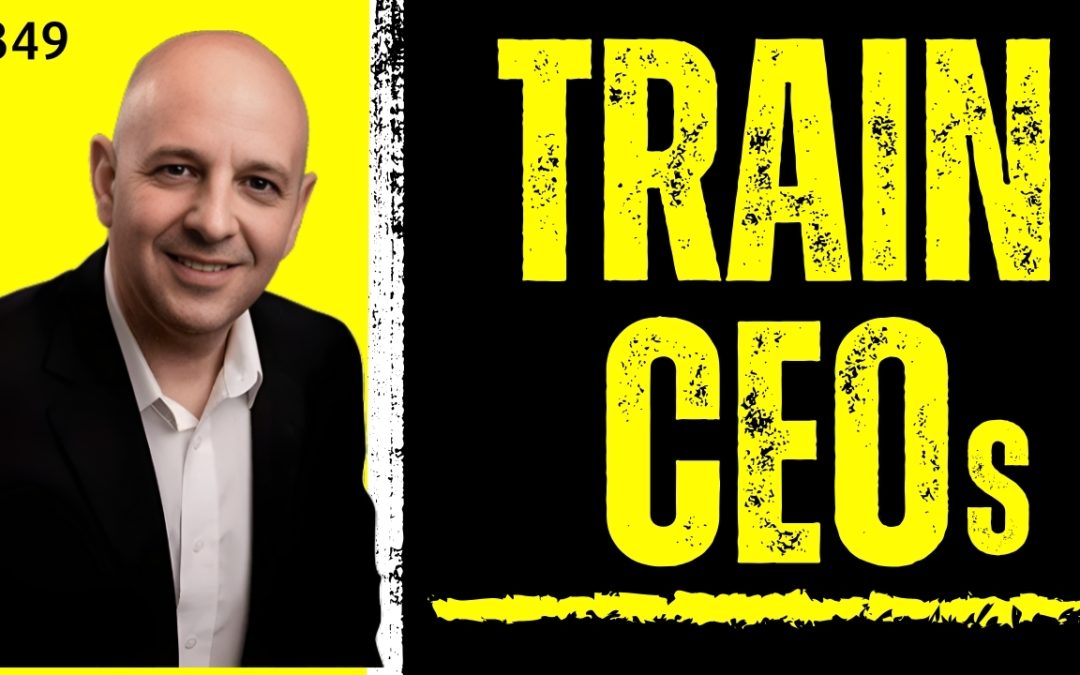
Doug Brown – CEO Sales Strategies
On Knowing What to Look For: “Number one, we help companies find revenue, hidden revenue that they already paid for but they haven’t collected in their bank.”
There’s a funny thing about business, and that is that your entrepreneurial journey will take you places you may have never dreamed of. This can often mean that you are in a situation, with a business, that you may not fully understand. That can lead to you leaving money on the table. So how do you make sure your business sis as profitable as possible?
Doug Brown learned these lessons early on. Trial by fire, similar to how many of us entrepreneurs get taught. After years of experience and some profitable success, he decided it was time to share his knowledge.
From sweeping floors at his father’s electric machinery repair shop as a young child to discovering multi-million dollar opportunities inside companies, Doug Brown shares his journey through entrepreneurship, the lessons learned from the trenches, and the emotional impact of helping business owners transform not just their companies, but their lives.
Listen as Dough explains some things to look for in your business to make sure you keep of the cash you have earned.
Enjoy!
Visit Doug at: https://ceosalesstrategies.com/

Podcast Overview:
00:00 “Entrepreneurial Journey and Business Insights”
05:29 Early Lessons in Business Leadership
15:06 Medicine to Music Business Shift
16:48 From Medicine to Business Success
25:18 “Straight Talk Changed My Life”
26:58 “Moral Obligation to Guide Others”
33:37 “Connection Builds Rapport”
37:36 “Preventing Revenue Leakage”
43:57 Customer Insights Through Questions
47:42 “Seeking Feedback on Past Missteps”
56:06 Effective Prospecting Leads to Opportunities
01:01:24 “Hiring: Learning and Improvement”
01:03:34 “Preparing for Top Talent”
01:10:10 “Skate to Future Success”
Sponsors:
Live Video chat with our customers here with LiveSwitch: https://join.liveswitch.com/gfj3m6hnmguz
Some videos have been recorded with Riverside: https://www.riverside.fm/?utm_campaign=campaign_5&utm_medium=affiliate&utm_source=rewardful&via=james-kademan
Podcast Transcription:
Doug Brown [00:00:00]:
So what they would do is they did a two and a half hour business training and at the end of the, toward the end of the training, they would go around the room and say, hey James, what did you find here? And you go, Well, I found $600,000 in my business, you know, and they go from person to person to person. They were small rooms, they were only like 10 to 20 people. But what they were doing after that, you know, I mean, they were literally finding sometimes hundreds of millions of dollars in these trainings. Right?
James Kademan [00:00:30]:
You have found Authentic Business Ventures, the business program that brings you the struggle stories and triumphant successes of business owners across the land. Downloadable audio episodes can be found in the podcast link [email protected] we are locally underwritten by the Bank of Sun Prairie, Calls On Call Extraordinary Answering Service, the Bold Business Book and Live Switch. Today we’re welcoming Slash, preparing to learn from Doug C. Brown of CEO Sales Strategies. So Doug, how are you doing today?
Doug Brown [00:00:59]:
James? I’m doing great. Thanks for having me here. I’m so grateful.
James Kademan [00:01:02]:
Yeah, you know, it’s funny, I just came back from a trade show in Florida, so. And when you work in a booth, the name of the game is sales. So I’m excited to talk to you now because maybe I should have talked to you last week before I went to this thing. Let’s just lay the foundation. What is CEO Sales strategies?
Doug Brown [00:01:19]:
So the company itself is a company that does primarily four things. Number one, we help companies find revenue, hidden revenue that they already paid for but they haven’t collected in their bank. And I don’t mean, you know, outstanding invoices, I mean in the whole customer journey, there are places where revenue just stagnated, stopped, not optimized. Could be, you know, something as simple as pricing dormant clients, lack of follow up, something like that. Where we get in there, we find what that revenue is and we, we go, you know, identify it and then help collect it and put that money in the bank for the folks. We also do that with margins, ebitda, so profit, if you will, in some capacities. We manage or build, you know, teams of sales people as well for companies. And then we end up coaching CEOs and founder led businesses on how to do all of the above.
James Kademan [00:02:28]:
All right, and how do you get involved in something like this? Imagine you don’t. Just, you’re not born with sales strategies for CEOs.
Doug Brown [00:02:37]:
No, no, I actually it started when I was very young. I didn’t realize it until, you know, I’m 63. This year and I was doing a podcast and somebody asked me, how did you learn what you’re doing? And I actually started working for my father’s business when I was three years. And. Yeah, three, all right. Yeah, I was sweeping floors for 25 cents a week. I loved it because they used to bring me to the, to the lunches, you know, so we’d go to like the, the local, you know, pub and grub, if you will, or whatever. They prop me up on the bar stool, give me my Roy Rogers and they’d sit and have business conversations.
Doug Brown [00:03:19]:
I hear my mother wasn’t too pleased they took me to the bars.
James Kademan [00:03:22]:
But, you know, you learn in all kinds of places. So it’s all.
Doug Brown [00:03:28]:
So, you know, a lot of that stuff when we’re with children, it sets in. Like you hear CEOs and business owners talking and, and so along the path, you know, we started selling at 5 or 6 to clients, but it was a family owned business, so the family helped me. And one day I sold a part for $20 and we paid 10 for it. And I realized I was making 25 cents a week at that point, which was still pretty good for that time. But I had to work a whole week for 10 bucks. And I just did this in like six minutes. Right. So what I realized is you can make money by looking at ratios and numbers and that’s where it kind of started.
Doug Brown [00:04:10]:
So even in my dad’s business when I was a young boy, I mean, 10 years old, I’m looking at his inventory and trying to figure out, because, you know, when you have inventory at the end of the year, you got to pay taxes on it. And so I was looking at, like, how do we widen out the margins in the company? And I, I always had my own businesses growing up since 13, and you know, I always worked my dad until I was up to about 19, before I went into the military. And so I was kind of doing this with all these businesses back then and that’s how it sort of started. I didn’t realize it, but then as I got into larger businesses, you know, tens of millions and hundreds of millions, I realized that they had the same challenges that businesses in the hundreds of thousands or the millions, multi millions still have, just on a different level. But when you look at the math and metrics in all of this, you can find all these great stories that tell you the story of where you’re supposed to be going. Once you figure that out, then you just optimize the point. So it’s, I guess I Don’t know if I was born with this or it just kind of, you know, it certainly the skill grew over, over time, but I enjoy doing it because to me it’s like a treasure hunt.
James Kademan [00:05:23]:
Sure. Fair. It sounds like you were sent on that trajectory with your dad’s business. What type of business did your dad have?
Doug Brown [00:05:29]:
He had an electric machinery repair company, so industrial machinery, and it was sales and service and you know, so I was constantly around all kinds of different businesses from manufacturing to, I mean, you name it, pretty much we were, we were around anything that had a, like even in an office building, they had a commercial fan or something. We would, you know, we would work on that. So it was a great, wonderful part of my life that, you know, I love doing it. And you know, sometimes when you’re a little, little kid, you don’t realize some of the things that shape you as you get older. But as I start to look back on things, you know, even my dad ended up in the hospital one time. He had a heart attack and I was 17 years old and I had to run the company for a little while and that was a super learning experience. But I got at certain levels of the books I never got at before, so I was able to kind of look at it. So when he came back, I was like, dad, I think we should do this and this and that.
Doug Brown [00:06:33]:
And one of the things that was successful in my dad’s business was actually raising prices because he hadn’t done it in over 10 years.
James Kademan [00:06:40]:
Oh, wow. Okay.
Doug Brown [00:06:41]:
Yeah, yeah. So my dad was a brilliant guy. He just wasn’t the, he was a guy who knew how to build a business around him, but he didn’t know how to build a systematic, functional, you know, business without him being present.
James Kademan [00:06:57]:
Sure, that’s fair. So the inspiration for, I guess growing the business or seeing even that the pricing should be different. Imagine a 17 year old. That’s not necessarily something that every 17 year old in the world is going to be aware of or even know that it’s a thing, let alone no look at it.
Doug Brown [00:07:16]:
Well, I mean, Most of the 17 year olds I meet are really smart. They just, they didn’t, they weren’t around it probably for 14 years. Right. And so, you know, and I, I had, you know, I, I could, I could look and see things that, and spot things that could be monetized a lot of times. So for example, even when I was, I think I was 8 years old and I wanted to, you know, I wanted to have another business of my own. So I Wanted a, I wanted a paper route, but I wasn’t old enough to get one. But what I could see was in the paper routes how people, how the paper delivery in the, in the system back then was, Was kind of fragmented and it really wasn’t well organized. So I decided if I could get like six or seven paper routes, I could consolidate this thing.
Doug Brown [00:08:09]:
And my brothers actually went and got the paper routes for me. They were, I guess they were my investors, if you will. So they got the paper routes and. And I did all the work and then I went and hired kids from the neighborhood to actually run the paper routes. So when we had centralized distribution of the papers so they weren’t everywhere and it was, it was fun. You know, I just, to me, it’s like creating stuff out of nothing. And, you know, I’ve always had side businesses like that. I got my first bank loan at 13.
Doug Brown [00:08:39]:
My brother co. Signed for me.
James Kademan [00:08:41]:
Oh, wow. Okay.
Doug Brown [00:08:43]:
Yeah, yeah. And I paid it back in the first year. And, you know, I just, I was constantly like, I think I can monetize this. Because I, you know, when I, when I learned the power of leverage, like, when you sell something, you know, James, when you sell something, you can, in theory, you can make a year’s income in one day if you’re selling the right thing. Right? And so it’s like, that’s a lot of leverage, you know, Imagine if you could do that every day of your life. And you worked 70 years of your life, you only worked, you know, 70 days, so to speak. But to me, that wasn’t really far fetched. It was something that I had seen happen, you know, like my dad’s business, for example.
Doug Brown [00:09:28]:
When we first, you know, we had like one really super great weekend one time.
James Kademan [00:09:34]:
The.
Doug Brown [00:09:35]:
They used to have commercial rides at these, like, amusement parks. And one day an electrical storm came through and wiped out all the motors that ran a lot of the rides.
James Kademan [00:09:48]:
Oh, okay.
Doug Brown [00:09:50]:
And so they called my dad’s place and this was like on a Friday afternoon. And they’re like, we’re losing $10,000 an hour. Wow.
James Kademan [00:09:59]:
An hour.
Doug Brown [00:09:59]:
Okay, an hour. So everyone in the company other than me, because I was still too young, worked almost two days straight. Like, you know, it was like sleeping shifts or whatever. But they made so much money in that weekend, it was, you know, and, and they were, they were happy to pay it because otherwise they would have had to order out motors. Some of them came from Germany. By the time they got, I mean, they would have lost, you know, gosh, millions of Dollars over, over that period of time. And you know, I remember that one of the owners of the amusement park came by and actually gave my mother $500 as a. And said, thank you for letting your husband and family out for the weekend.
James Kademan [00:10:41]:
That’s awesome.
Doug Brown [00:10:43]:
My dad was kind of like, well, what about me?
James Kademan [00:10:48]:
There’s one turning wrenches here, right?
Doug Brown [00:10:50]:
But you know, that was back when $500 was a lot of money too, right? We back in the 60s. So, you know, I mean, I bought my first automobile and for $250, you know, so it was a lot of money back then. So I think it’s just one of those things that, you know, I learned it early on. I had the skill set for it, and it was one of those things that I love to do, and I still love to do it. Nothing. I was just on with a client today, and we found him on this call today, almost $4 million that he didn’t know he could monetize.
James Kademan [00:11:29]:
Well, that’s cool. That’s very cool.
Doug Brown [00:11:31]:
And so, you know, what’s that, the difference? Well, he’s trying to do an initiative in the company. So now if we get him the $4 million or even if we got him $3 million, he could take $2 million of that, throw it toward his initiative, and he’s still up a million dollars. And the reality is it’s just sitting there in his business anyway. So the acquisition cost on that 4 million is almost zero. He’ll have to pay sales commissions that he normally pays, but it’s other than that. He’s already paid for the marketing, already paid for the, you know, everything that’s already moved through the system is just sitting there waiting to be captured.
James Kademan [00:12:05]:
Nice.
Doug Brown [00:12:06]:
So when you.
James Kademan [00:12:06]:
Let’s shift gears to your, the chronology here. You’re a kid, you’re working on your dad’s business, you got this paper out thing going, you get the loan. At what point, I guess, do you get, let’s just say in your 20s. All right. Well, I guess is 20s when you’re in the military.
Doug Brown [00:12:22]:
Yeah, so I always had side businesses while I was in the military. So I was in the military for 12 years and seven days. I remember when I left. And yeah, so I always had side businesses in the military. Now these weren’t huge, huge businesses. They were like maybe six figure businesses. Some were high five figure businesses, some were six figure. Especially like when you’re working around the military, it’s, you know, you got to be a little bit flexible.
Doug Brown [00:12:51]:
But you know, they were, they were Always. I always had money, you know, and I never really had to worry about the money because I had a system that if I needed money, I could always pull it out of the business, so to speak.
James Kademan [00:13:07]:
Right.
Doug Brown [00:13:08]:
And it served me really well. I mean, I was able to buy my first home at 23 years old. And, you know, and I’m. I hope nobody thinks I’m bragging. I’m just kind of giving a backstory here. But it’s, you know, it’s. It’s something that when we learn the power of leverage and how to create leverage, I mean, imagine, you know, I’ve had two conversations with this client, and today we found $4 million for this client. Right.
Doug Brown [00:13:36]:
I mean, that’s good leverage for my client. Right.
James Kademan [00:13:40]:
So very healthy.
Doug Brown [00:13:41]:
And so if we go, you know, grab that money, even if it takes us six, seven months to get that money into the company, you know, he’s in a much better place than he. Than he was. So, you know, and to me, that lights me up. That’s great. Right. So I’ve always kind of look at things through life that way. And I look at. You can apply the same concept to relationship capital as well.
Doug Brown [00:14:04]:
Right. And I just think it’s. You know, once I was in my 20s, I had the side businesses, and when I got out of the military, one thing my family did back then, not so much now, but they did back then, is you had to get a college degree. You had to have it. You had to have education in some, you know, formal education, because we. We were still in that era where that actually sort of made a difference, if you will. It was a door opener, if nothing else. And you had to go in the military and you had to have an education.
Doug Brown [00:14:40]:
Those were like two grounding principles. And, you know, when I got out of there, what really kind of pushed this was I got my degrees. I had two degrees. One was in business and general studies, and the second one. Well, and. And I had minor in music, and the second one was a degree in biology. And then I a. In nuclear medicine.
Doug Brown [00:15:06]:
So I went to work. I was going to be a doctor. That’s what I figured I was going to be. But then when I got into the hospital, I realized, oh, this is a business. I mean, they’re literally counting tongue depressors and they’re counting, you know, all these things. And I’m like, ah, I’m starting to see the wheels, like, how big money medicine really is in the United States. But then I was selling music equipment, going through college, so I Had like a side business and I was selling music equipment and I was having a really good time because I was selling to like the bands, James, that maybe, you know, myself or maybe even you or others listen to, like, you know, Aerosmith and Billy Joel and the Eagles and Boston and all those bands. I was, I was selling music equipment to them and hanging out with them in, in some capacity.
Doug Brown [00:15:54]:
And it was like the best job I ever had in my life.
James Kademan [00:15:58]:
That sounds awesome.
Doug Brown [00:15:59]:
Yeah, yeah. And you know, there’s relationship capital, right? I mean, if you, you know, I, I remember that I got invited down. The Eagles were doing an event and Joe Walsh used to use this particular guitar pick. And they were like, hey, if you drive down here with these guitar picks because Joe’s running low on them, you know, you can hang out with us out backstage and just stay right. It’s like, like that’s, that’s a pinch me moment, you know, when, when we’re growing up, right. So what happened was I went to work for the hospitals and what I realized was I was making more money selling music equipment to these bands. And then the, the thought of leverage creeped back into my head. I was working less hours, making more money.
Doug Brown [00:16:48]:
So why don’t I just kind of focus in selling and focus in growing companies and this and that. And so I, I left the medical field and that’s what I pursued. I started that process and just, it’s taken me on a great ride to work with, you know, all kinds of amazing people, from, you know, Chet Holmes to Tony Robbins, you know, to Russ Whitney. Russ owned, the notable one he owned was Rich Dad, Poor dad, and then he owned some like a billion dollars worth of companies, you know, so I worked a lot with trainers, Deepak Chopra, Brian Tracy, the Ask Method Company. A lot of great company names, but I worked with Intuit and Procter and Gamble and CBS Television nationwide and a bunch of companies like that. And we were having a lot of success. But I’ve worked with literally thousands of small and medium sized businesses that, you know, are only community known. And to me, that’s a great place to work because you really see, see the difference.
James Kademan [00:17:54]:
This is all in the music equipment business.
Doug Brown [00:17:56]:
No, no, this is all in what I’m doing now.
James Kademan [00:17:59]:
Gotcha.
Doug Brown [00:17:59]:
So once I, once I got out of the music thing, I always stayed with music. But what I really, I wanted to be a touring musician at one point. All right, picture me with long flowing hair, which is a joke, folks, right now, right? Because I have none but long flowing hair and I literally was thinking, the band I was in, we were like, we’re going to go out on tour. And then Barry Goodreau from Boston. Barry, thank you for this. He was the guitar player for Boston and was talking to him one day and he said, yeah, we’re going out on tour. And I said, oh, cool, where are you going? He goes, well, we’re on the road for 300 days. I was like, I’m like, in a row, it’s only 360, whatever, right? And, and I, and I realized at that point that even though I loved music, I wanted to do it.
Doug Brown [00:18:57]:
That wasn’t the life for me. And so it was a great lesson. And so at that point I decided, you know, I’ll stay with music, I’ll stay with songwriting, I’ll play in bands and I’ll be a dj. And I became a DJ in Boston and had a great time doing that. This was, this was more back before, DJs are what they are today, right? They were, you know, you weren’t making a million dollars a year as a dj, you know, that type of thing, right. But it was, it was, it was really a great, great run. And then from there that business just kind of formed out of all of, you know, kept going out of that and been doing that for ever since.
James Kademan [00:19:39]:
Nice. So why did you get out of the music equipment business? I imagine my speculation, I guess, is that the business changed as the Internet evolved and competition bumped up. But I guess, no, I, I don’t know if that’s accurate or not.
Doug Brown [00:19:54]:
It wasn’t that. For me, it was. Although, you know, things like that happen. Like every business has a transition, technology, whatever, you know, I mean, look, AI today, you know, I mean, the AI is no different to me than when the Internet came out. You know, it’s, it’s same premise, you know, cell phones, same premise, all of this. It’s a technology that’s going to change things. But I got out of the music business because I had two children and I was working full time. And then I was out every Thursday, Friday, Saturday, Sunday.
Doug Brown [00:20:35]:
And, you know, I was making great money. I mean, I was making a six figure income working where I was working at the time, and I was almost making the same in the music business. So it was, it was a little difficult to give up. But I decided, you know, as my kids got a little older, that’s the reason I didn’t become a touring musician, because I had exposure to enough of these folks to see that they were away from their family. For a long, extended period of time. And I saw that in the military. But the musicians, to me, are away longer unless there was a, you know, combat situation where you were in. In what they call in country for a while.
Doug Brown [00:21:16]:
So, you know, to me, that was. I just wanted a different quality of life. Sometimes I look back on, I go, geez, maybe I would have been on the radio or would have been here or whatever. But, you know, we all choose our paths, and I think I’ve affected a lot of people in a very positive way, what I’ve been doing. So, you know, I guess that’s my way of giving back to the world, too.
James Kademan [00:21:40]:
Right on. It’s fair. How did you end up with the business or starting the business? CEO sales strategies.
Doug Brown [00:21:48]:
So it always had some origins through, through life, no matter what I was doing. So I’ve had, like, I think we’ve done 37 companies at this point, and I’ve always kept some part of this business alive through all of those other businesses. And it’s just because I like it. People. People are always there. Someone always needs help in their business. James it’s like, you know, including myself, right? I can’t see everything. I’m inside the, The.
Doug Brown [00:22:21]:
The vehicle driving. I. I can’t see that there’s a chip of paint on the back of my car that somebody clipped me in the, you know, in the parking lot that I didn’t realize, right. Or whatever. Or I’ve got a flat tire happening. And sometimes you just don’t see those things. So we all need this outside influence that has a fresh set of eyes that can look at it. And so I think that’s what kind of kept me in the game, because it’s like, what lights me up, like finding $4 million today lights me up.
Doug Brown [00:22:51]:
It’s like I’m. I’m on a. An endorphin high right now. When we collect that, even better. But it’s. It’s, you know, I’m able to sometimes save people’s jobs. I’m able to sometimes give people jobs. I’m able to reduce the stress that has been, maybe even family generational stress in a business that’s been going on where they just been working, but they’re just kind of getting by, or they’re working, getting by, but they’re really not communicating well.
Doug Brown [00:23:21]:
You know, it’s. It’s been wonderful. I think probably one of my greatest moments was I was at a live. You went to a live event, you said, in Orlando, and I was at a live event. And a guy and a lady came up and gave me, like, just out of the crowd. And they just hugged me. And. And I’m like, this is kind of strange, right? They both hugging me.
Doug Brown [00:23:47]:
I. I didn’t even recognize who they were because I didn’t even see them. They just kind of went up and they. And the guy said, I love you, brother. Right? And then I felt two little kids grabbing my legs and hugging me. And I was like, okay. And when we kind of parted, I recognized who he was, and it was a gentleman that I had a very strong business conversation with. He was struggling in his business.
Doug Brown [00:24:15]:
The business had good, good, viable growth potential, and he was giving me every reason under the sun why it wouldn’t work. And I just verbally pinned him, and it was to go coach with some company. It wasn’t for me. He was just asking my thoughts, and. And I, I thought this would help him. And long story short, he went and did the coaching. And what? He came to me. He said, you know, Doug, I didn’t tell you something.
Doug Brown [00:24:51]:
I said, what? He said, you saved my life. And I said, what? He goes, you saved my life. What? I didn’t tell you. At the time of our conversation, my wife and I were broken up. My kids and I were estranged. My business partner and I were threatening each other with lawsuits in business. I even thought about killing myself.
James Kademan [00:25:16]:
Wow.
Doug Brown [00:25:18]:
And he said, your advice was solid, but the fact that you looked me in the eye and told me to pull my head out of the sand in not a nice way, move me in a direction. Now, I wasn’t mean, but I just was very straight with him. And he said, I’m here with my kids, I’m here with my wife, my business, and I have grown. My partner and I are great. My life is amazing compared to where it was. And thank you. I, you know, honestly, James, I, I, I got out of the room because I started crying. I walked around the corner just weeping, and I’m like, oh, my gosh.
Doug Brown [00:25:56]:
You know, I’ve affected somebody’s legacy. I’ve affected their children’s legacy. Right? So to me, that’s, that’s, you know, what else are we here on the earth to do?
James Kademan [00:26:06]:
True. Very true. You know, it’s interesting. Back when I was doing a fair amount of coaching, I remember telling people, I’m going to tell you something. It’s going to be painful to hear. You may not like it. You may hate me, even to a point.
Doug Brown [00:26:19]:
Yeah.
James Kademan [00:26:20]:
But a few months, weeks, maybe even a year down the road, you’re going to look back at this conversation after you’ve made some changes that we discussed, and you’re going to appreciate it.
Doug Brown [00:26:30]:
Yeah.
James Kademan [00:26:31]:
And I say that because I’ve been in those situations where people have told me stuff that was painful to hear. Yes, they’re right. As much as I hated it. And you take the advice, you build your business, you do the things. And somebody had to say it. Right. Somebody had to scrape away the sugar and say, look, here’s reality.
Doug Brown [00:26:51]:
Yeah. And sometimes that’s the nicest thing that somebody can do for us.
James Kademan [00:26:55]:
Oh, so true. Very true. Yeah.
Doug Brown [00:26:58]:
And, you know, the, the worst thing that they can do is let us keep going down that path that we, they know we’re not going down the right path. Right. And I, I decided one day that I was never going to do that. I, it, like you said, I just had a conversation with somebody three days ago, the same type of conversation, and my wife was actually listening to the conversation, and I said, do you think he’s going to hate me? And she goes, for a while. Yeah. And I said, it’s okay as long as he does where he needs to go. Right. And so that’s kind of the responsibility of somebody to, if, if we’re gonna, if they’re gonna put our trust and faith in us, I feel it’s a moral obligation to go the extra rounds if we need to, to help them cross that, because we all need this.
Doug Brown [00:27:50]:
I mean, I’ve had this done as well to me, and I’m so grateful later on, even though it was tough at the moment. And, you know, in business, somebody asked me this question the other day. They asked, they said, well, how many successes have you had? And I said, well, I think this, this, and this. And they said, well, how many failures you have? And I had. And I said, well, how much time do we have on this pod? Because the failures way outweigh that. The, the, the wins. It’s just that the wins monetarily about 1. The losses, if you will.
Doug Brown [00:28:26]:
Yeah.
James Kademan [00:28:27]:
You only have to be right once. Right?
Doug Brown [00:28:29]:
Yeah. I love Mark Cuban. He said that. You know, he said that one time on Shark Tank. He’s like, you just have to win one time.
James Kademan [00:28:35]:
Right.
Doug Brown [00:28:36]:
The right way. And, and I think that’s. That’s so true. And, you know, there have been times where I’ve been like, oh, how are we going to pay payroll this week? I got to pull it on the credit card. And, you know, then there have been times it’s like, oh, payroll, who cares? We got that Covered for a year, you know, so it’s like I, I find business fascinating and I, and I think it’s one of the, the greatest emotional tests other than having children that, that we will ever have in our lives, even including the military. For me, you know, I mean, that was like, okay, that wasn’t fun sometimes, but it, business has challenged me a lot more fair.
James Kademan [00:29:22]:
Yeah, yeah, yeah. Business can be extremely challenging. And I mean I talk to people and say the, the thickness of my skin when I first started my business versus now, you have to, you could argue the size of my head before versus now, pro or con. But there, I guess there comes a point where as a business owner, even to start a business initially you have to have some form of ego because you believe that you can do it better than other businesses are doing it. Whether you’re right or not is to be determined, I guess. But yeah, it’s interesting. It’s very tough to be a complacent, shy entrepreneur that’s going to be successful.
Doug Brown [00:30:03]:
That’s, that’s the huge exception. Yeah, that, that’s like the thing about most people in business is they’re not getting out in the public square enough. They don’t, they don’t want the exposure, but they want the money. Yeah.
James Kademan [00:30:20]:
You know, it’s interesting. I’ll tell you a really quick anecdotal story. We’re at this veterinary expo in Orlando and I have this pink suit on. We get pink all over the place for our business. And across the, you know, you got rows and rows and rows of booths.
Doug Brown [00:30:35]:
Yep.
James Kademan [00:30:36]:
And another road down, there’s this marketing company, I think, and they got these guys kind of in these Amazon pseudo, I don’t know, their sparkly rainbow suits, whatever, but they got jeans and beat up shoes and they look kind of like, yeah, we’re doing this, just kind of stand out. But it’s kind of half ass. And I was looking at the booth that we got going on and it’s just pat myself on the back, right. And I’m like, but we’re not a marketing company. We’re offering phone answering services. I’m not trying to sell people on us being the go to for how they should market their business. I’m the ones selling them on what to do when their marketing actually works. And it was interesting.
James Kademan [00:31:17]:
I’m like, man, if I was looking for a marketing company, would I go to the place that’s not doing a great job with their booth? Or would you find some other booth in the marketing world that’s I don’t know. Looks more dialed in, I guess, as far as that goes. It’s just interesting to see the different booths and all the. What they’re doing to sell their. Whatever it is that they’re selling.
Doug Brown [00:31:38]:
Well, I think people mistake exposure for the right exposure.
James Kademan [00:31:42]:
Oh, fair, fair. Okay.
Doug Brown [00:31:46]:
You know, it’s apropos if. If you’re back in the. In the days of Ozzy Osbourne and you were doing some of what he was doing to get exposure. Right.
James Kademan [00:32:00]:
Biting bats heads.
Doug Brown [00:32:02]:
Exactly right. Potentially peeing on the Alamo, they said. Right. Which turned out he didn’t. But, you know, that type of exposure was good for followers back then. Right. Now, if you’re the president of a hospital, the CEO of a hospital. Right.
Doug Brown [00:32:33]:
So, you know, with that company, although I didn’t see it based on what you were telling me, they were trying to get attention. And, you know, that is one of the first rules in marketing, right. To get attention. Because you can’t get attention. You can’t get interest. If you can’t get interest, you can’t get desire going. You can’t get action going. But then again, prior to attention or right after attention, during that attention phase, I should say you’re getting connection.
Doug Brown [00:33:03]:
And this is where I think people don’t realize that connection’s super important. I mean, we’ve all had the experience where we looked at someone and we go, my gosh, they are at a magnificent, magnificent physical specimen of the human race. Right. And then they open their mouth and you’re like. And then you’re like, oh, my goodness. Right. Geez, I didn’t know, you know, a person had that type of vocabulary any longer. Right.
Doug Brown [00:33:37]:
I thought that went out with, you know, Archie Bunker, you know, and. And. And for those of you who don’t know that’s called all in the Family, I’m dating myself, but way back when. Yeah. You know, but I mean, it’s. It’s one of those things that, you know, you just. People don’t realize that connection is so important because connection is the first step that leads to rapport. And so, like you said, you were professionally dressed, you in pink, you got attention, but you were appropriately.
Doug Brown [00:34:10]:
Appropriately, you know, groomed for the situation, even though you had a flamboyant color on, which would have attracted attention. You know, we. Many of us remember when Janet Jackson had the wardrobe malfunction on the Super Bowl.
James Kademan [00:34:28]:
Yeah, yeah, right.
Doug Brown [00:34:29]:
Plenty of attention. But it wasn’t really that probably the attention she was looking for.
James Kademan [00:34:36]:
You know, I would doubt that she Sold more albums based on that?
Doug Brown [00:34:40]:
Well, maybe a few. I don’t know. I’d have to look at the numbers. But she took a lot of heat in the press. And, you know, the fantastic thing about Ms. Jackson is she’s a wonderful performer. You know, she’s, you know, comes from a lineage of a lot of great performers. You know, and so when we were looking for attention, you know, to get that attention, it’s.
Doug Brown [00:35:06]:
What kind of attention are we getting in the connection that I want people to really take out of this conversation, because if they don’t, shock value doesn’t always work in their favor. And in particular, we have to look at what’s. It’s okay to push the line, you know, Richard Branson, Virgin Airlines, Virginia Mobile. He pushed the line a lot, you.
James Kademan [00:35:28]:
Know.
Doug Brown [00:35:31]:
And he got attention, but people always seem to respect what he was doing as Richard Branson, and that’s was good for his brand. I mean, nobody wants a crazy CEO of an airline. No, no, I. I don’t want to be flying on a plane where the. The CEO is completely, you know, just not there. Right. Or biting the head off of, you know, animals or something like that.
James Kademan [00:35:59]:
Right.
Doug Brown [00:36:00]:
So it’s. It’s again, what are we selling? In your case, you’re selling the phone answering service. You know, it’s. It’s good to have people come to your booth so you can have conversations.
James Kademan [00:36:13]:
I suppose you have a good point. Right. I could just be throwing, I don’t know, firecrackers at people and you get it.
Doug Brown [00:36:19]:
Exactly.
James Kademan [00:36:20]:
It wouldn’t necessarily be the attention that you want and attract. Probably scare them away and get them away from the booth. Our goal was to attract, one, you got to rise above the noise of the 50 million other booths that are there.
Doug Brown [00:36:32]:
Yeah.
James Kademan [00:36:32]:
And then two, once you do have that attention, it’s got to be the right type of attention.
Doug Brown [00:36:36]:
Right.
James Kademan [00:36:37]:
Just, I suppose, like, I could t bone your car and like, I got attention. Want to buy a watch. Right.
Doug Brown [00:36:45]:
Well, I mean, if you. If you t. Bone in the ideal right. Economic fit buyer, maybe that would get you some type of conversation.
James Kademan [00:36:52]:
Since we’re here. I own a body shop.
Doug Brown [00:36:55]:
Exactly right. And by the way, folks, this is not an endorsement of that policy at all.
James Kademan [00:36:59]:
No, no, Gracious, no.
Doug Brown [00:37:02]:
But. But, you know, I mean, the first thing is in all of this is figuring out who is the ideal right. Fit buyer. Because most people. This is where I see a lot of people leaving a ton of money on. On the. On the table, if you will, because they don’t they’re spending a lot of time talking to people who aren’t the ideal right fit buyer. And if they don’t understand who the ideal right fit buyer is, their messaging is usually off to the ideal right fit buyer.
Doug Brown [00:37:36]:
And so that’s money, excuse me, that’s just leaking out. It’s just revenue leakage at that point. And so, you know, you can do a marketing campaign maybe like the booth did, right, where they were dressed the way they were, spend all that kind of money and they’re attracting people, but maybe they’re not the ideal right fit buyer. So it’s like, okay, we’re doing all of this, spending this money and repelling our ideal right fit buyer potentially. So once you get that very clear business becomes a lot easier. I have learned that one the hard way. I’ve spent way more money making mistakes in that avenue until I woke up one day and went, huh, maybe I shouldn’t create this whole thing until I sell it first. Right.
Doug Brown [00:38:24]:
To find out who’s going to buy it. Especially with software. Like, because you build a lot of money into software. I’ve done that. And find out that people love it, but they don’t love all of it. They only love this small part of it. And I could have spent one fifth of the software, that type of thing. So again, that’s a, that’s a core tenant.
Doug Brown [00:38:46]:
And even when I work with companies today, no matter who they are, we look at that because I worked with Intuit, you know, some people know them as the QuickBooks people. Right?
James Kademan [00:38:59]:
Yeah, QuickBooks and tax.
Doug Brown [00:39:02]:
Yeah, yeah, Tags and Rocket Mortgage and all that, that type of thing, right?
James Kademan [00:39:06]:
Exercise company.
Doug Brown [00:39:07]:
Yeah, yeah. And I’m not under non disclosure with them, so I can say this, but the, you know, they had a division that they were losing $10 million a year on. There was $100 million division. And myself and team members, we worked on this and we got them from a $10 million loss to a $7 million gain on that division in one year. And their number one challenge was messaging.
James Kademan [00:39:33]:
Messaging, external messaging.
Doug Brown [00:39:35]:
So they were selling checks, this division was selling checks. And they were, they’re QuickBooks. I mean, you know, it’s like what a brand name? I mean, you’re into it.
James Kademan [00:39:48]:
Yeah, right. You have 90 of the market share.
Doug Brown [00:39:50]:
Exactly. And so people, people are calling in and they wanted to buy checks and at that time they were quoting them check prices and people were like, you know, you could hear the, the heart stop on the other end because the check prices were highly elevated and they’re like, well you know, we’re, we’re into it, you know, QuickBooks. I mean we give you premium quality checks. But the thing is, is that there were other companies like vistaprint and others online that were doing these checks for like 30, 40 less. So the customer couldn’t see any differentiation between the two.
James Kademan [00:40:25]:
Right.
Doug Brown [00:40:25]:
Because they’re messaging. What was that? Sorry, James.
James Kademan [00:40:29]:
Commoditized at that point?
Doug Brown [00:40:30]:
Yeah, yeah, they were, they were, they were commoditized. And we get commoditized when somebody can’t see value perception that means something to them. Because the confused mind that, you know, it’s a, it’s a fear state. Confusion is really a fear state. And a confused mind will go, oh, I’m in fear. So what are we going to revert to? The most common denominator we know, convenience of price. And so they were, they were not selling as many checks as they want. So we then did a bunch of look, see through the, through what was going on.
Doug Brown [00:41:05]:
And we talked to the customers and asked them straightforward, why didn’t you buy? They said price. And we said, well, what do you care about? And they told us a bunch of lists of things they cared about. And then we did some research and we found that well over 60% of companies were getting hit with check fraud at that point. Wow. And the average check fraud was costing between 25,000 to 200 grand for companies.
James Kademan [00:41:32]:
That’s not nothing.
Doug Brown [00:41:34]:
No. So we changed the, we changed the conversation. Instead of going in like, you know, hey, how many checks do you want? It was like, you know, geez, James, you wear companies your size that like 64% of them are subjected to check fraud at one point in their business. You know, that was the conversation we were having. And then you would say something like, wow, I didn’t expect it to be that high. Yes sir. And you know, the average is costing around 75, whatever the number was at that point. And, and you know, you know we did something here to protect you on that.
Doug Brown [00:42:08]:
We built in this coding system into our checks and we back it up with insurance and you know, da, da, da. So you know, you know, we, we protect you against check fraud. And what we were hearing is like every maybe six call or whatever somebody was saying something like, you know, that happened to my, my, my hardware store down the street or that happened to my attorney or whatever. Right. Or my sister in law had this happen to her, you know, and, and, and you know, well, how stressful was it? It was crazy, you know, like, you know, and so you know, because, I mean, think about identity theft. Like, it’s not, you know, sometimes you can lose an identity theft, but the, the worst part is trying to get your whole stuff straightened out again, right? That type of thing. That’s why companies like Lifelock and others have come along and done quite well. And so that conversation, the right messaging actually started creating a massive amount of sales, and that’s how it kind of turned around for them.
Doug Brown [00:43:06]:
So it’s not just big companies or little companies. The data shows that Harvard and Wharton School of Business, Harvard School of Business, bunch of other industry giants for credibility, have done a study and it shows 97% of people selling in part or in full don’t know their ideal right fit buyer.
James Kademan [00:43:30]:
Wow.
Doug Brown [00:43:31]:
It’s huge.
James Kademan [00:43:32]:
That’s insane. Okay, yeah, so let’s piggyback on that. How do you find the, the perfect ideal buyer?
Doug Brown [00:43:41]:
So we have a whole process for it, but the, the short of it is you can do this pretty quickly through talking to people who have bought from you and people who didn’t buy from you.
James Kademan [00:43:56]:
Okay.
Doug Brown [00:43:57]:
And you just ask them a series of questions, one being, what made you buy from us? What were you looking for? Right? What was the decision making process? Were you the decision maker? Did you have to go to other people to have a conference on this? Right? You just ask questions like that. And then on the people who didn’t buy, okay, what, what was the reason you didn’t buy? Believe it or not, people will tell you this stuff if you just ask, you know, and you might hear something like, well, you know, I would have bought, but my, my partner’s in the business, I pitched the idea, they didn’t like it. Okay? So we knew we weren’t talking to the, you know, so, or, you know, you guys would just like, you couldn’t deliver on time. You know, now if you hear that from your clientele and your delivery is 90 days and they’re saying, we need it in 30, and you, let’s say you had, I don’t know, 3,000 people you could have gone to and talked to. And 50% of them said they would have bought from you if you could have sped up your, your delivery time. And your buyers are saying, well, you know, the number one thing I would like better is delivery time. Well, okay, now we’ve got a criteria for what’s our ideal right fit buyer, right? Quick speed, delivery time, and just attribute after attribute. And you just kind of put them out on paper, James, and then once you got them out on paper, what’s lapping over.
Doug Brown [00:45:27]:
Right. It’s amazing when you do these type of things, you can fix refund rates because you know, if you got a 10 refund rate and I take that from 10 to 0, that’s a lot of money usually in a business and it’s all upside at that point. Right. So. Right. We could do that. We’ll know what to price better. We’ll know what to say to these people.
Doug Brown [00:45:48]:
We’ll know how they want to come through through our a buying process. You just dial it in far more. It’s, it’s really like doing match.com for what they’re doing for dating from what I could see, you know, and that’s one of the reasons they’re successful. Put people together with like, you know, personalities, beliefs, values, of course they’re going to get along a little bit better or a lot better.
James Kademan [00:46:14]:
Tell me a story about asking questions of a business owner or even an employee of a business for both your clients and the people that didn’t buy from you. Because not everyone is going to take the time to necessarily give you the answers. And like, ah, you guys were, I don’t know, let’s just pick some lowest hanging fruit.
Doug Brown [00:46:31]:
Right.
James Kademan [00:46:31]:
You guys are cheaper or I really like you guys or something vague like that. How do you, I guess what is some wording that you use or some secret sauce in order to actually get them to take the five minutes of your life or their life.
Doug Brown [00:46:44]:
That’s your home. Yeah, that. Believe it or not, that one’s. A lot of people think that people won’t give them the time. But again, the approach is the right way. Right. We can wear pink and get people to our booth and have decent conversations or we can be in garb that is repelling people and. Right.
Doug Brown [00:47:04]:
So it’s the same way. I mean, so if, if I called up and let’s say that you were a previous client who didn’t buy and I say, hey, James, this is me from our company. Now you’ve got to get right into it. You can’t be like, how you doing today, James?
James Kademan [00:47:24]:
Around.
Doug Brown [00:47:26]:
Yeah. So it’s like, James, straight out, I’m looking for your help. Okay. That is a pattern break usually for people. Because if I said, James, I’m looking for your help, what would you naturally say back to me normally?
James Kademan [00:47:40]:
Sure, what kind of help you need?
Doug Brown [00:47:42]:
Yeah, right. So now, now I’m getting permission from you to deliver my message and I’d say, James, you know, we, we, we weren’t able to do business before and I respect the fact that you didn’t do business, but I was looking at your business and you’re. You’re the type of company that I think is an ideal fit buyer, you know, ideal client for us, but we screwed up somehow, and I’m not really sure. So I’m doing some marketing research and I was wondering, could I just ask you three quick questions that take less than four minutes tops, and I do mean less than four minutes tops. And maybe you could help me to kind of identify where we went wrong. I won’t pitch you, I won’t try to sell you anything. I’m just purely asking for your help.
James Kademan [00:48:27]:
Right on, right on. Most people suppose they’re like, sure, four minutes go timer.
Doug Brown [00:48:33]:
Yeah, yeah. And then you just ask you three questions, and then at the end you’re like, okay, well, geez, James, we’re here at a minute and you know, minute 25 or whatever. Do you have any questions for me? And you know, did I miss anything that you wish I had heard, right? And you, you’d be shocked that more than. More than half of the people will actually give you their time if you ask. If we ask the right way.
James Kademan [00:49:00]:
And as far that’s perfect segue here. So the questions that you’re asking, are they specific to that potential used to be client, or are they more vague, like why didn’t you buy from us kind of thing?
Doug Brown [00:49:11]:
Well, I’ll give you an example. I did this with. I had a telecommunications auditing and consulting company, and this was the offer. We’ll come in, not change your phone carrier, and we’ll reduce your phone bill on average by 24 and a half percent. You don’t have to pay us anything. We just take a percentage of the savings. Not a bad deal.
James Kademan [00:49:34]:
No, not at all.
Doug Brown [00:49:36]:
One in five were taking it.
James Kademan [00:49:38]:
One in five, okay. They thought it was too good to be true.
Doug Brown [00:49:41]:
I was, I was crazy. I was like, what do you mean one in five are taking, like, we do all this work, we hand you $200,000 that you were already spending, and we asked for a percentage of it, right? And so even if I asked for 50%, you. I just gave you a hundred thousand dollars. You didn’t even have to do anything. So I was like, was it too good to be true? Whatever, right? And so I called upon people that bought, and I asked them why. And those are easier because they know you. And then I called upon the people who didn’t buy from us, and I said, geez, I. Same, same thing I just said to you look, you know, I respect you as a business owner.
Doug Brown [00:50:32]:
I’m not trying to pitch you. I’m really looking for some help. I think you could help me. I’m. I’m off target somehow. And I think you could answer these questions. Would. Would you mind taking a few minutes? Like, literally, and can I ask you some questions? And they said, yeah.
Doug Brown [00:50:46]:
And I asked that question. I said, look, you saw the offer. You didn’t. You didn’t buy, like, there’s no money out. I’m a little lost. Right? Could I. Could you please tell me why? And if it’s, like, me or whatever, that’s okay, too. Just please tell me why.
Doug Brown [00:51:05]:
Right? And they would start to give me information, and I would track it. And back then, all we had was Excel spreadsheets. So I would keep it in Excel spreadsheet, right? And so here’s what happened. So I’d asked that first question. Then I asked, you know, is there another reason behind this? And then when they asked, when they said something like, the first thing they said to me was over and over and over. It kept coming up, you know, Doug, your office, really strong. But we are afraid that if you make any changes to our telecommunications services, we’ve done that in the past, and it’s knocked us out of service, and we’ve been down for, like, two or three days. So we would never recover the savings.
Doug Brown [00:51:46]:
We’d lose more. And that kept coming up. So then I’d say, well, you know, I told you three minutes, you know, four minutes. I’ve only, you know, I’ve taken two. Could I ask what, you know, what was the process that happened? You know, And I would just ask questions, and they would say. And I’d say, okay, we’re at three minutes. Can I have another 60 seconds? And they’d say, sure. And then I’d say, blah, blah, blah.
Doug Brown [00:52:10]:
And then I’d make sure around 3:40, that I would say to you, James, thank you. I’ve got 20 seconds. I want to wish you the best day you’ve ever had. I really appreciate you doing this. So here’s what happened. We went back and we then took all those answers, and then we called upon clients that we didn’t know whether we’re going to buy or not prospects. And we asked them, hey, if we had this, this, this, this and this, and we were pitching you, what would you think? Our close rate went from 20% to 71%.
James Kademan [00:52:42]:
Oh, nice.
Doug Brown [00:52:44]:
Because what we did is change the order. We said, hey, we can lower your phone bill. However, we can do it because we have a process that guarantees we won’t knock you out of business 99.7% of the time. We will spend only 15 minutes of your time. We only ask you for 15 minutes of your time. We will do everything. You will have complete transparency through the process. And before we even make the changes, we’re going to get together.
Doug Brown [00:53:13]:
That’s part of the 15 minutes. Show you exactly. And we’re going to get your permission to move forward 71% of the time. Bang.
James Kademan [00:53:22]:
That’s awesome. That is incredible.
Doug Brown [00:53:26]:
This isn’t like earth shattering news. Maybe it is to some people, but the reality is it’s just about connecting with another human being and being human. And some people are going to say, no, I don’t have the time. And some people are going to say, you know, call me back later. And some people are going to say, yeah, I’ll give you the time. And then when you get enough time and you call the people back, you already have the information and say, listen, this is what I’m hearing from other people. What do you think? And that takes like a minute. So now you got three minutes to have a conversation.
Doug Brown [00:53:59]:
And believe it or not, some of those people actually said to me, well, if you can do this, why don’t you come back in and see me again?
James Kademan [00:54:05]:
No, I can definitely believe that. It’s interesting when you have conversation with people with their permission, where it’s almost like you’re meeting at a bar, breaking bread with them or something, or something more casual than, I guess some people treat it as us versus them or sometimes militant, I don’t want to be sold kind of thing. They put up the brick wall or something that’s more casual. Like, I understand you weren’t gonna buy, you’re not gonna buy. Great. I just want to get a little bit of information from business owner to business owner. Super cool. You take down those barriers of.
James Kademan [00:54:36]:
It doesn’t have to be a yes or no. We’re just, we’re just chatting. Just like we’re at the cafe.
Doug Brown [00:54:40]:
Yeah.
James Kademan [00:54:40]:
Makes it much more human.
Doug Brown [00:54:43]:
That’s what we’re doing here on the podcast. Right. I mean, you know, it’s like, that’s the authentic part.
James Kademan [00:54:48]:
Yeah.
Doug Brown [00:54:49]:
So it’s in, you know, if the reason I think people don’t do that is because they always are positioning. So if we come in with like, I’m trying to position so I can win, they can win, and someone else wins out of this conversation, like we just kind of think up ways then we approach the conversation differently. Like, you know, when I talk with a high level CEO or founder led company or whatever in my being now, I’ve trained myself to not get salesy.
James Kademan [00:55:23]:
All right?
Doug Brown [00:55:24]:
Right. Yeah, it’s, it’s, it’s just having a peer to peer conversation because if I start to sound like a salesperson or a consultant or, you know, that type of person, then I start using language patterns like that person. Right. I start going to alternate choice clothes. Well, hey, James, do you want to maybe start this next week on Thursday, or would you like to start it on Monday instead? Right. It’s like, you know, my close now to us, to a CEO, is would you like to move forward with this? Right. And they’ll say yes or no. Right.
Doug Brown [00:56:06]:
Or give you a different answer. But it’s, it’s like if you’ve done your job all the way through this thing and you had a conversation, then they’re, you know, I just got invited in to go into a partner meeting. You know, that, that didn’t start out to even have that intention. But once we got talking and they realized what I was able to do, they were like, oh, wow, you know what, why don’t you come here and we’ll have a partner meeting, all the partners will get together and we’ll see what we can do. Right. And so it’s because here’s, here’s the reason why people don’t do this, James. They don’t have enough prospecting going on.
James Kademan [00:56:47]:
Ah, okay.
Doug Brown [00:56:49]:
Right. They just don’t, they don’t have enough. So it’s like, man, if James doesn’t buy, like, am I gonna, you know, like, am I gonna make it this month or whatever. And so scarcity starts to creep in. As scarcity starts to creep in, we are a mirror of our internal thoughts. And so our language patterns will change, you know, and if anybody’s like, well, I don’t know about this. Okay. When you talk to somebody when they’re highly stressed, do they talk differently than when they’re very calm? Oh, yeah, right.
Doug Brown [00:57:22]:
And if the answer is yes, then this hopefully illustrates that. And so, you know, people when they’re highly stressed will say things sometimes that they wouldn’t even think about saying to another person. You know, so it’s about being able to go in and position at the same level as that person, regardless of the outcome.
James Kademan [00:57:46]:
Fair.
Doug Brown [00:57:47]:
And if we’re able to do that in a business or even in a personal relationship, then we tend to get that reflection of what we’re feeling and thinking. Comes out in that conversation. It’s kind of like we’re a clear lake on a still day and we. The sun’s shining and you can look down at the lake and it’s reflecting up whatever. The mountains or the. Whatever’s there. Right. Our internal thoughts work that way, as far as I know.
Doug Brown [00:58:17]:
So that, that’s really when. But when we’re in scarcity mode. Yeah. We reflect back scarcity.
James Kademan [00:58:24]:
Yeah. If you must have the sale, it’s way different than. Yeah, you would like to have the sale.
Doug Brown [00:58:29]:
Yeah. And you’re hearing things like they’ll say something. Well, I think this, this sounds pretty good. And you in the person who’s interpreting that, going, I got a sale. You know, I gotta say, like, I got happy years. Right. I’m going. And they’re not.
Doug Brown [00:58:44]:
They’re just saying it’s good. They didn’t say they want to buy.
James Kademan [00:58:48]:
The money’s not in your bank account. The sale hasn’t closed yet.
Doug Brown [00:58:52]:
Exactly. That, that. And that’s a great thing to live in business.
James Kademan [00:58:57]:
Right.
Doug Brown [00:58:58]:
Until that money is deposited and it’s in your account, it’s not done. Even then, you still got to justify why it’s in the bank account.
James Kademan [00:59:07]:
Yes. Yeah. It’s probably more looking back, months ago, I deposited that money. So the sales.
Doug Brown [00:59:13]:
Exactly.
James Kademan [00:59:15]:
I know we don’t have a ton of time left, but I wanted. You mentioned something about sales team, so I want to pick your brain about that. Sure, if you don’t mind.
Doug Brown [00:59:21]:
Absolutely.
James Kademan [00:59:22]:
So let’s dig into that really quick. So sales teams, you’re helping people create them, helping people hire them. Tell me more about that.
Doug Brown [00:59:31]:
Yeah. So I’ve done a lot of building agent teams, commission only sales teams. And I’ve done that a lot for companies as well. And so, you know, we have a process that is highly predictable that this person’s going to work out or they’re not. We’ve just dialed it in over the years. Like when I was. One of the. One of the privileges I’ve had in life was I was an independent president of sales and training for a company that Chet Holmes owned.
Doug Brown [01:00:05]:
He wrote a book called the Ultimate Sales Machine, but Tony Robbins also owned that company.
James Kademan [01:00:10]:
Okay.
Doug Brown [01:00:12]:
So for seven years, I got to be that person who was basically number one or number two running the company. Right. And we had something Chet used to call hiring superstars. And he had a process for it. And. And it was good, but it wasn’t predictable. Right. And so I want people that I give advice to or help them in their Businesses to have a predictable process, as predictable as it can get.
Doug Brown [01:00:45]:
You know, I mean, when you’re hiring somebody, sometimes there’s variables you just don’t see. No matter what. Sure.
James Kademan [01:00:52]:
They’re still human.
Doug Brown [01:00:53]:
Right? Right. I mean, we just had one in our company. We hired somebody. She was perfect for the role. And within about four weeks we were starting to realize that she had some internal issues going on that just weren’t going to work out for her in the role. So we ended it early and paid her out and, you know, moved her onto a better place in life. It doesn’t mean she’s a bad person. It just means we, we dropped the ball in the hiring process.
Doug Brown [01:01:24]:
So the reason I tell people that is because you, you’re going to make mistakes. Right. No matter how good you are at this. I remember Chet used to work for a man named Charlie Munger. People may not know who Charlie is, but he’s Warren Buffett’s partner. And I remember Chet telling me a story once that Charlie said to him, he said, you know, Chad, if you get hiring right, half the time you’re ahead of the curve. And so I wanted it a lot better than half the time. So we, you know, we have a process that we take people through and you know, we either guide them through the process, occasionally we’ll help them.
Doug Brown [01:02:04]:
You know, we don’t. We’re not recruiters per se, but we have people that we can go to understand the process. So we can refer our clients to those people. And you know, hiring. The, the number one thing in hiring a sales team or anybody in sales, James, is you cannot hire them the same way you hire an admin person or an accountant or an operations person. It’s a, it’s a different hire. You know, your operations person, for example, hopefully should not be hearing, no, no, no, get out of my face. You know, half the, more than half the day.
Doug Brown [01:02:43]:
Right. So there’s a high amount of rejection in selling. And we’ve got to test what they’re made of before you actually even put them in play. And that’s part of the key. We also need a structured sales process. What I mean is recruiting is selling. And so we want it structured. Same questions for everybody.
Doug Brown [01:03:06]:
It can’t be variable. We got a lead score. These people, we use assessments that are sales specific assessments. You know, can they sell consultatively? Do they actually have the will to sell? You know, those type of things. And you know, we, we put a standardized process throughout and that’s how we can make it predictable too. Many people hire on gut feel, oh, I like James, he was an awesome guy. Right. And then James is a top producer.
Doug Brown [01:03:34]:
He comes into an environment and the environment wasn’t what James expected. So the, the, the, the, the obvious question out of this for me is okay, before you try to go hire a top, top producer like James, are you set up to actually handle a top producer like James? Right. I can give somebody this, this super fast motorcycle that will win every race, but can you take the corner at 160 miles an hour? Because if you can’t, please don’t get on that motorcycle. Right. And so we look at things like that up front and it’s okay if everything’s not set up perfectly. Like maybe, maybe training is not where it should be. It’s okay. But a guy like you, James, has to know that up front so you can make a value based decision.
Doug Brown [01:04:28]:
And what a lot of companies, they don’t disclose these things. And the majority of top producers leave a job and I mean this is in the 70 plus percentile. They leave a job not because it was, not because it was difficult, but it was misrepresented to them.
James Kademan [01:04:47]:
Ah, okay.
Doug Brown [01:04:48]:
And so you know, there’s just things like that that we have to kind of just tweak, head off, put a process around it and somebody will fare better. But you just. A person who’s being hired for sales is in. There are different profiles for the type of thing. We have to determine what profile we want. Are we looking for somebody? So for example, at Chet Holmes, I had a sales team on the front end that people were listening to a radio ad, calling in and then the salesperson had to get them to a training, but it was a paid training so they had to ask for a credit card. Now these people are driving down the highway listening to and calling in. Right.
Doug Brown [01:05:29]:
So how do you get that type of individual who can take no and keep going. Right. Versus somebody who might be a, a coach who’s also a salesperson because they’re selling coaching, but they’re going to be far more empathetic. Right. And so we want to measure for these things. It doesn’t mean your front end person’s not empathetic. You don’t want somebody on there. It’s like, well I, I can’t pull over right now.
Doug Brown [01:05:59]:
You know, and they start yelling like pull over, I told you to pull over. Right.
James Kademan [01:06:02]:
You want it or not?
Doug Brown [01:06:04]:
But it’s, it’s just, you gotta, we gotta look for the balance of the personality traits in with what we’re trying to do in the job and test for all of that stuff up front in a structured format.
James Kademan [01:06:19]:
Fair. I love it. Doug, this has been incredible. Where can people find you?
Doug Brown [01:06:24]:
They can reach out to me by email if they want [email protected] that’s plural on sales and strategies. That would probably be the easiest way. I’m also Doug Brown123 on LinkedIn. If they want to connect with me there’s nice.
James Kademan [01:06:43]:
I love it. And I see Doug C. Brown a lot. Do you put C your middle initial in a lot of places?
Doug Brown [01:06:50]:
Yeah, this. That’s purposeful. The reason that I put Doug C. Brown there sees my middle initial. Right. Anyways. And so when people ask me what’s your middle name? And I, I say, you know what, what’s your middle initial stand for? I tell them it’s charming. Right Doug Charming Brown.
Doug Brown [01:07:08]:
But usually gets them to laugh a little bit. Middle name is Charles actually. True story. When I was born, my father came in the room and said we’re going to name our son Charles Douglas Brown. My mother had just delivered me to the world and my mother said there is no way in bleeping whatever that you’re going to name our kid Charlie Brown. And my dad went oh yeah right. We shouldn’t do that. So that’s how I’m Douglas versus Charles.
Doug Brown [01:07:38]:
But the reason I put the C in the middle initial is because Doug Brown is a. It was a pretty solid NHL hockey player I believe for the Detroit Red Wings if I remember correctly. And so. And his son also plays for the Boston Bruins. So when, when people heard I was Doug Brown sometimes people would be asking me are you the hockey player player Doug Brown? And I’m like I can’t skate to save my soul. Right.
James Kademan [01:08:10]:
We say yes to the sale if I am.
Doug Brown [01:08:13]:
I never tried that one. I probably should have but they. No, it’s. That’s the reason the season there just a differentiator. I. I’m a big hockey fan and I respect hockey players a great deal. It’s a super tough sport.
James Kademan [01:08:27]:
Oh my gosh. Yeah.
Doug Brown [01:08:28]:
Yeah. And you know, probably if not the one of the best condition athletes on the. On the planet. They have to be and absolutely.
James Kademan [01:08:38]:
Yeah.
Doug Brown [01:08:39]:
I’m just at awe all the time.
James Kademan [01:08:42]:
I just started playing broom ball and that’s on ice but on with shoes not let alone skating. And I mean I love watching hockey. It’s. It’s great and. But you have new respect for him when you actually get out on the Ice and see how hard, how hard at work it is just with shoes on, let alone ice skates and skating backwards and getting checked into the boards.
Doug Brown [01:09:03]:
Oh, goodness. Yeah, it’s, it’s crazy. The, the, the intensity of the game. I actually played some semi professional. I couldn’t, I couldn’t, I love hockey, but I couldn’t, I couldn’t skate. I just, I tried goalie. I just couldn’t do it. But then I transitioned over what we call soccer.
Doug Brown [01:09:20]:
Right. The European football. And I, I actually was able to play in some of the semi professional leagues in, in that sport. And you know, it’s, it’s similar rules, but it’s a very different sport. So. But I love, I love hockey. I go to the games and Rudolph and the Bruins. Those are my, that’s my, my, my primary team.
Doug Brown [01:09:44]:
But yeah, it’s just. I don’t know. I’m addicted to it and I can’t even tell you. Hawaii, Honestly, James. But I just know I am like.
James Kademan [01:09:53]:
No, I get it’s, I like it because there’s constant movement. Even when they swap players. There’s not a timeout or anything. It’s like the puck is still moving.
Doug Brown [01:10:01]:
Yeah.
James Kademan [01:10:01]:
But we’re changing players.
Doug Brown [01:10:03]:
Yeah. And I, and I, I learned there’s business lessons in hockey too. I think that’s part of it. Like.
James Kademan [01:10:09]:
Oh, no doubt.
Doug Brown [01:10:10]:
You know, like Wayne Gretzky I think said, you know, always skate to where the puck is going to be. And you know, when, when you study what these athletes go through, this. The same type of discipline to become a professional athlete is the same type of discipline to become a professional in your chosen field of business. And, and you just constantly have to, you know, we gotta constantly work on ourselves while we’re in that profession as well as our skill sets. And you know, and they’re doing it every day.
James Kademan [01:10:40]:
Yeah. So true. So true. Doug, thank you so much for being on the show.
Doug Brown [01:10:45]:
You’re welcome, James. Thanks so much for having me. I’m so grateful I got an opportunity to have this conversation with you.
James Kademan [01:10:51]:
Yeah, I love it. This has been Authentic Business Adventures, the business program that brings you the struggle stories and triumphant successes of business owners across the land. My name is James Kademan. And Authentic Business Adventures brought to you by Calls On Call. Offering call answering and receptionist services for service businesses across the country. On the web at https://CallsonCall.com. And of course, the Bold Business Book, a book for the entrepreneur in all of us. Available wherever fine books are sold.
James Kademan [01:11:18]:
And if you’re listening or watching this on the web. If you could do us a huge favor, give us a big old thumbs up, subscribe and of course share it with your entrepreneurial friends, especially those friends that may be leaving some money on the table, which I think if they’re an entrepreneur, it’s safe to say that’s almost all of us, right?
Doug Brown [01:11:33]:
It is.
James Kademan [01:11:36]:
We’d like to thank you are wonderful listeners as well as our guest Doug C. Brown of CEO Sales Strategies. Doug, can you tell us how people can get a hold of you one more time?
Doug Brown [01:11:44]:
Sure. They can reach out to me at https://DougSalesStrategies.com. That’s my email or Doug Brown one two three is my LinkedIn. Just if you google me and type Doug C. Brown Revenue growth. I’ll be everywhere. I promise.
James Kademan [01:12:00]:
Oh that’s awesome. I love it. Past episodes can be found morning, noon and night at the podcast link [email protected] thank you for joining us. We will see you next week. I want you to stay awesome and if you do nothing else, enjoy your business.